With my parents I went on holiday to Iona. On the way,
we stopped off for five days in Glasgow, visiting museums
and taking photos and generally doing the tourist thing.
Preston
I had to change trains at Preston to get there, with time to
spare even after I ate lunch, and found a couple of interesting things
in the station.
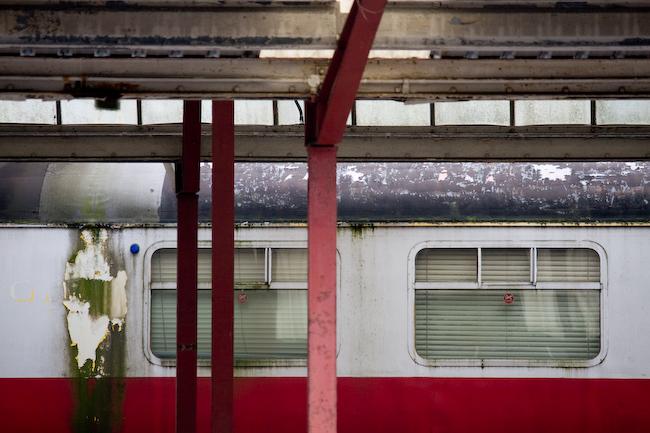
Old railway carriages in a platform.
1/90 at f5.6, 200mm, ISO200
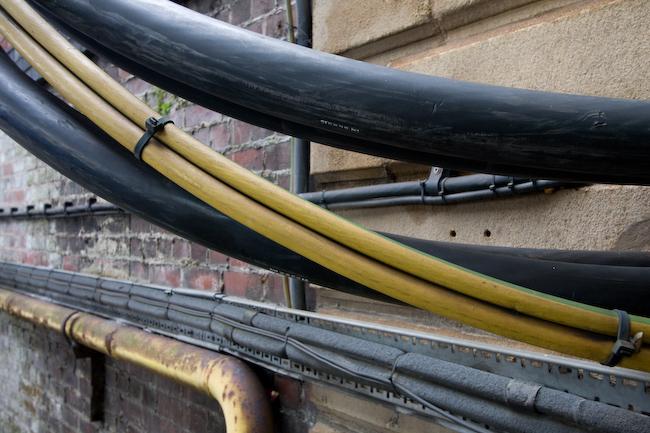
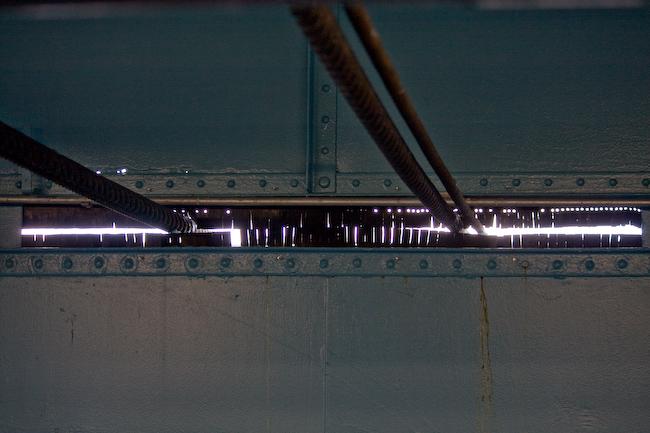
Cables against the wall.
1/20 at f6.7, 22mm, ISO200
Glasgow
We were staying at the Rennie Mackintosh Hotel, which has nothing
to do with Rennie Mackintosh (unless you count a few unusual pieces
of furniture) and isn't really a hotel (it's a B&B). That aside, it's
a perfectly nice place to stay and reasonably convenient.
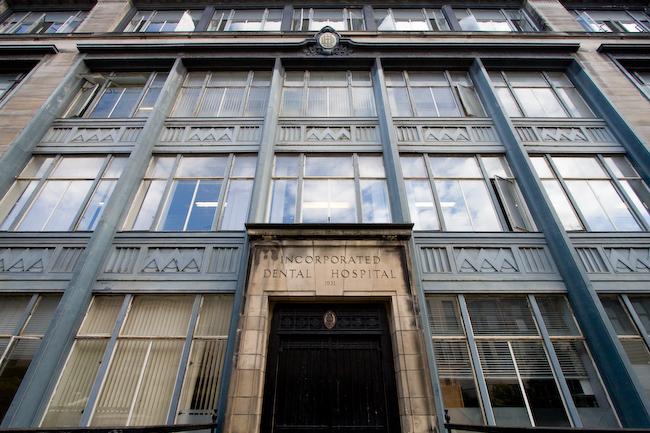
It's directly opposite the dental hospital, which is a rare example
of a large building still in use for approximately the purpose
engraved on its stonework.
1/90 at f8, 10mm, ISO200
After dropping our bags, we headed out to walk around the city.
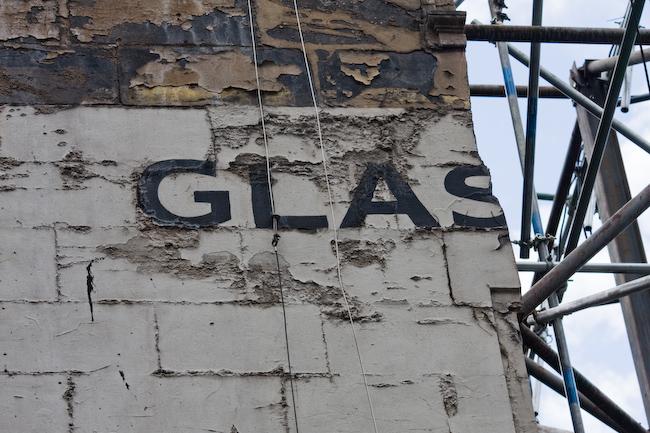
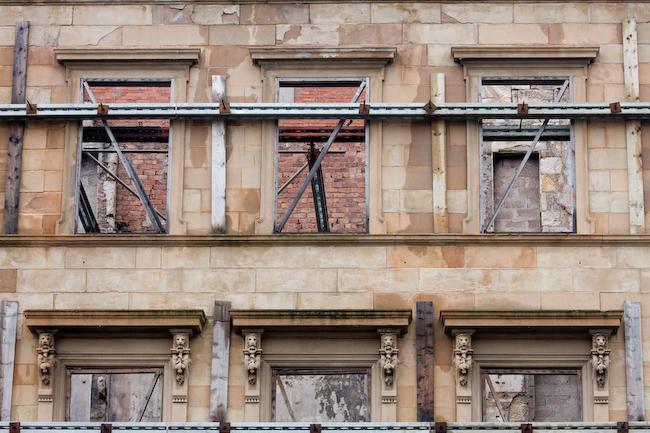
Glas[scaffolding where nextdoor building has been demolished].
Pretty representative.
1/180 at f8, 90mm, ISO200
There's a large and impressive square by the town hall. Here's
one of the buildings you can see from there.
1/350 at f8, 74mm, ISO200
Bridges
It wasn't long before we found our way to the river, which features
a perfect embarrassment of riches for bridge fans. Seriously there
are way too many bridges. I didn't even take pictures of all of them.
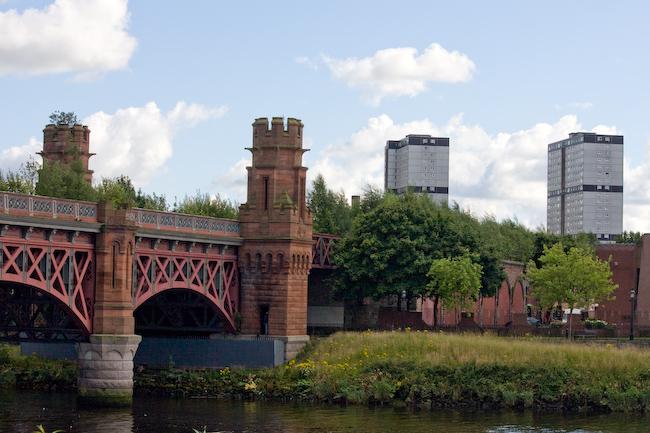
This is a tree bridge. It carries a selection of trees and shrubbery
across the river. We suspect it used to have a railway instead.
1/500 at f8, 55mm, ISO200
Another view of the tree bridge.
1/350 at f8, 22mm, ISO200
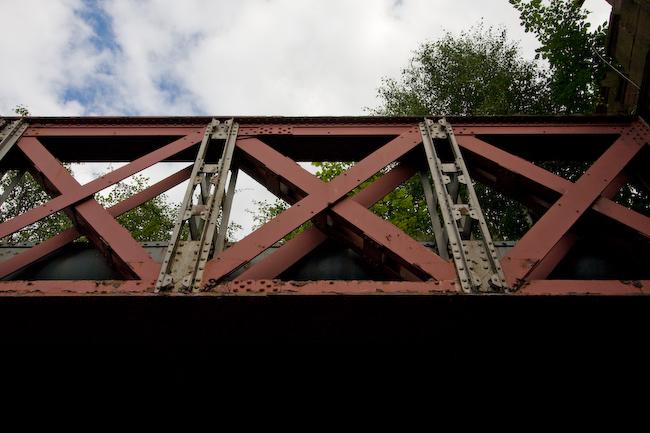
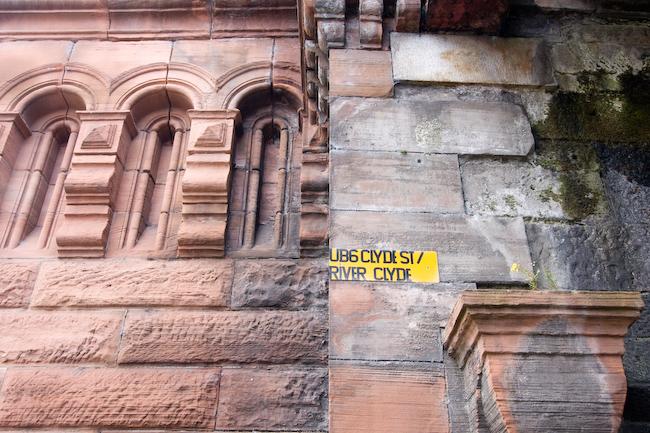
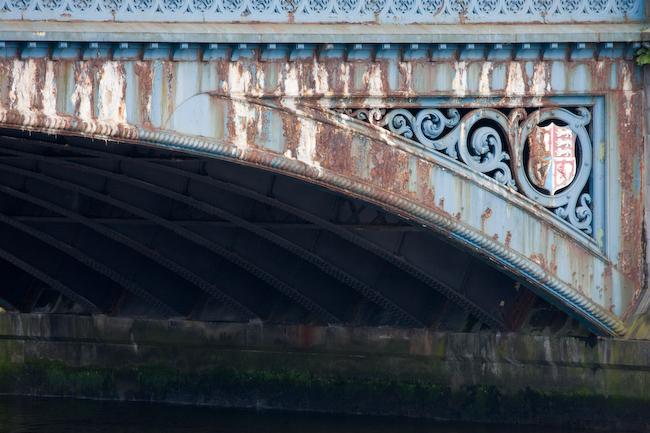
Clyde Street goes under the bridge (which is impressively
decorated and overdesigned).
1/20 at f8, 22mm, ISO200
A blue bridge. (Once.)
1/60 at f8, 250mm, ISO200
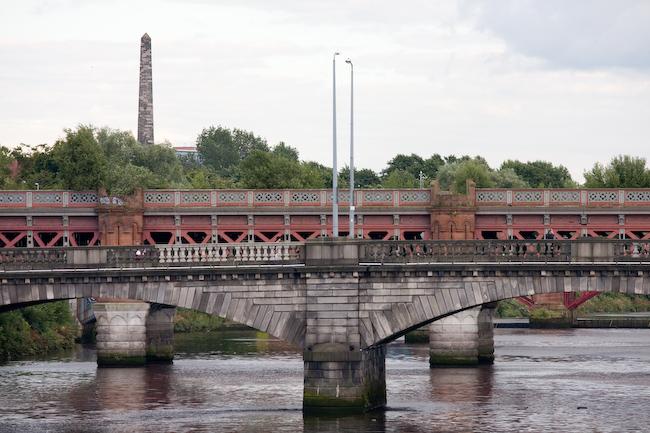
Looking upstream at three bridges with Nelson's Column in the background.
1/250 at f8, 187mm, ISO200
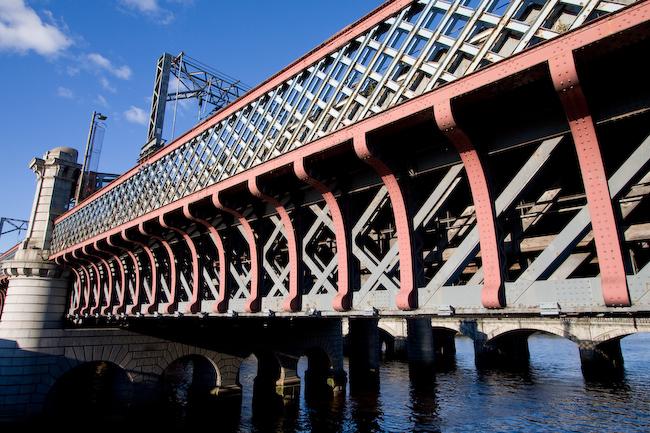
The current rail bridge.
1/250 at f8, 79mm, ISO200
A wider view.
1/250 at f8, 13mm, ISO200
Buildings and warehouses
Glasgow is a pretty great city to visit if you're a Victorian
architecture enthusiast. If there's ever a world dome shortage,
people will be beating a path to Glasgow; virtually every building
has a few. It's like the architects started off designing a mosque and
somebody told them halfway through 'hang on, it's an insurance company'.
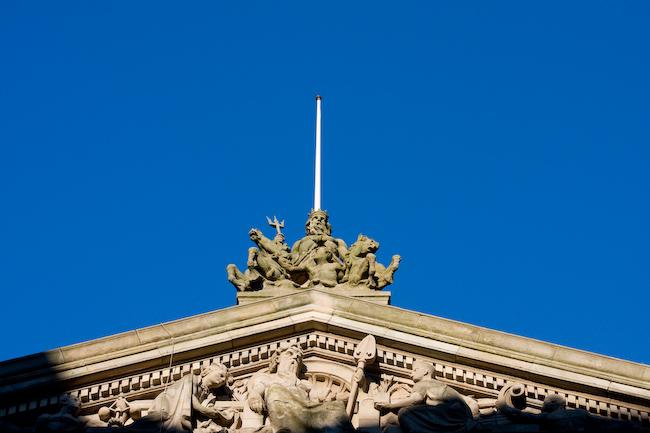
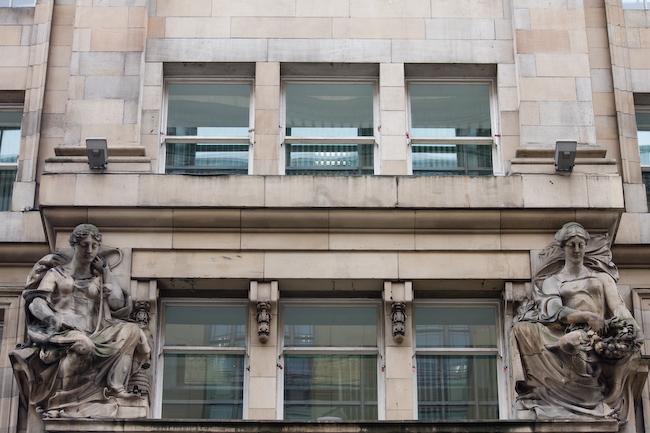
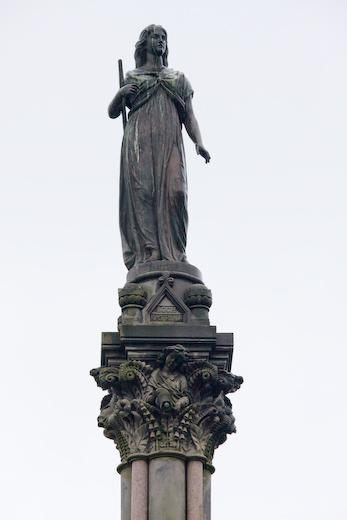
Similarly, most buildings have impressive carving and statues.
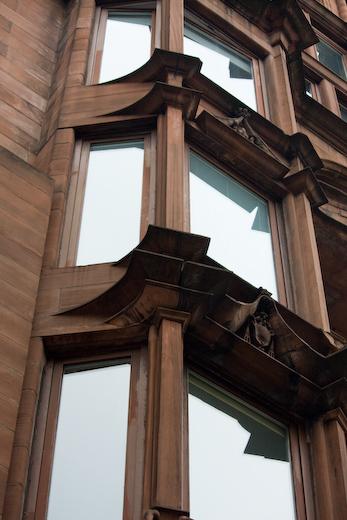
The top of one such building.
1/350 at f8, 55mm, ISO200
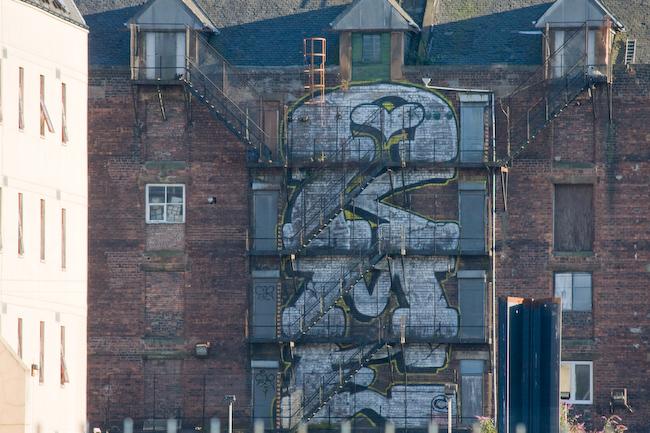
Looking across the river (amusingly, we had a 'see Glasgow by taxi'
leaflet for its map, and the map didn't go sarf of the river) at an
impressive piece of graffiti.
1/180 at f8, 250mm, ISO200
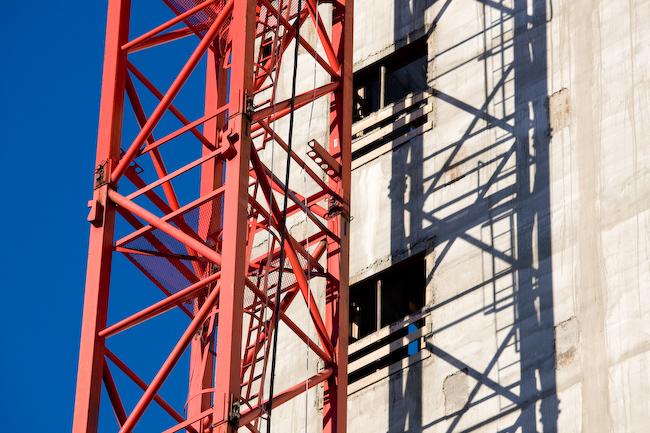
In some places they are actually constructing new buildings, mostly
behind the facades of old ones. Here's a crane.
1/500 at f8, 135mm, ISO200
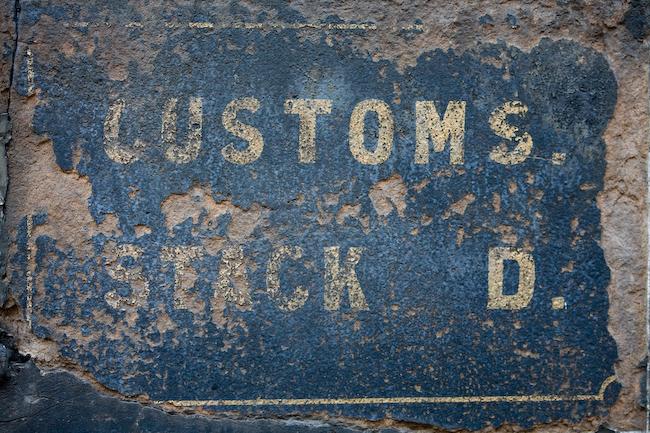
Glasgow used to be a port; still is, further down, but I get the
impression they don't need quite so many customs warehouses in the
city centre.
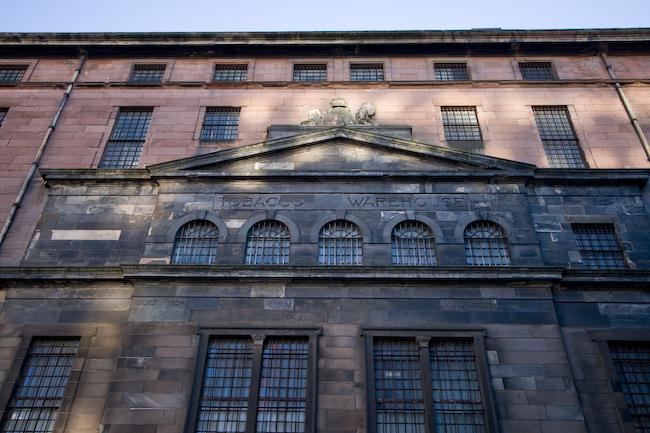
1/45 at f4, 55mm, ISO400
'Tobacco Warehouse' facade built into an even larger warehouse.
(Yep, the money for all these impressive buildings came from slavery.)
1/90 at f4.5, 22mm, ISO200
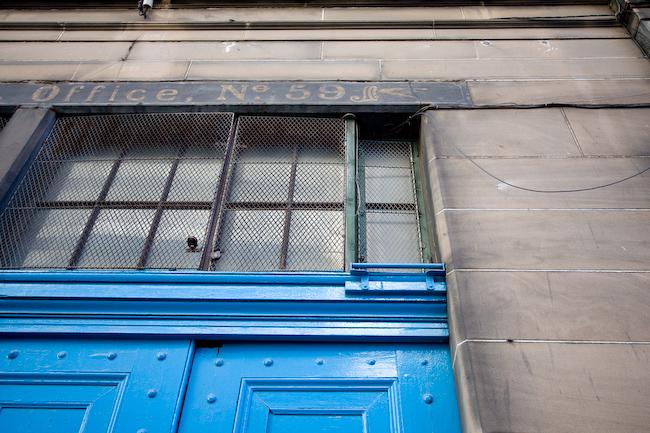
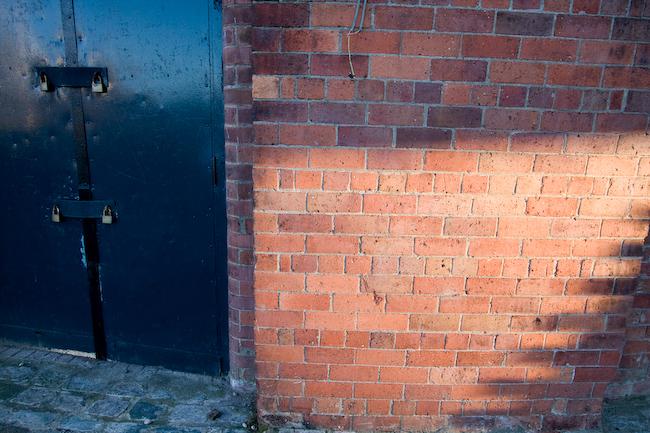
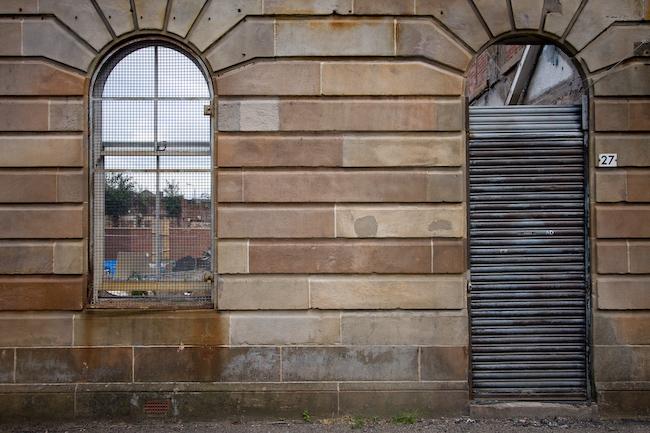
General stores and office and blue doors.
1/60 at f4.5, 22mm, ISO200
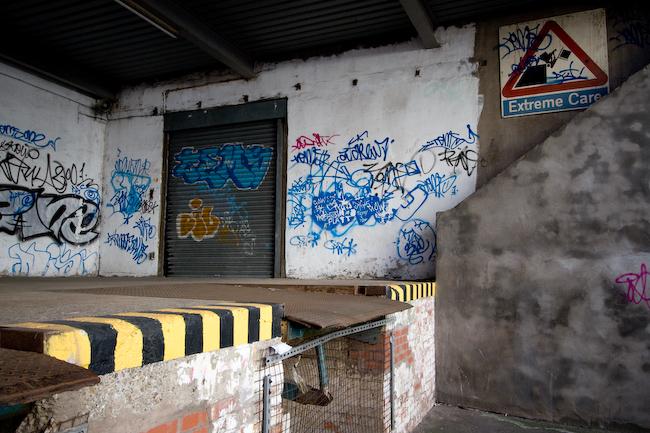
There is actually work (of a sort) going on in these ancient buildings.
This is a loading bay in a car park (bomb site?) area beside one
warehouse.
1/125 at f4, 17mm, ISO200
Western riverside
Back beside the river we headed west past a major road bridge, at
which point we had a pleasant surprise - a bloody huge crane, the
only remaining part of what had once been (presumably) a similarly
huge shipyard.
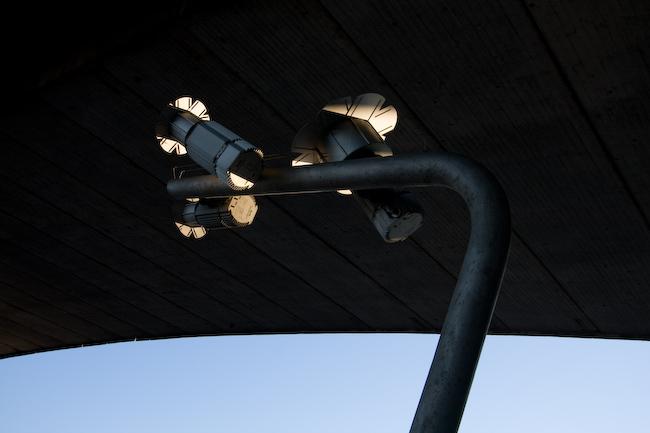
Lighting below the bridge.
1/90 at f8, 22mm, ISO200
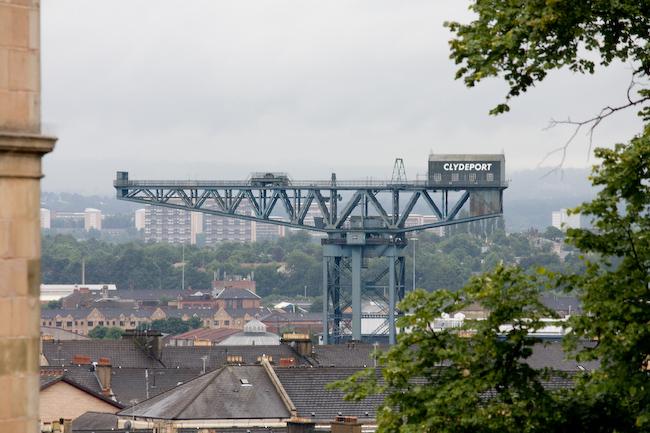
Big crane = awesome. (This was our first view of it, way ahead along
the road.)
1/1500 at f8, 250mm, ISO200
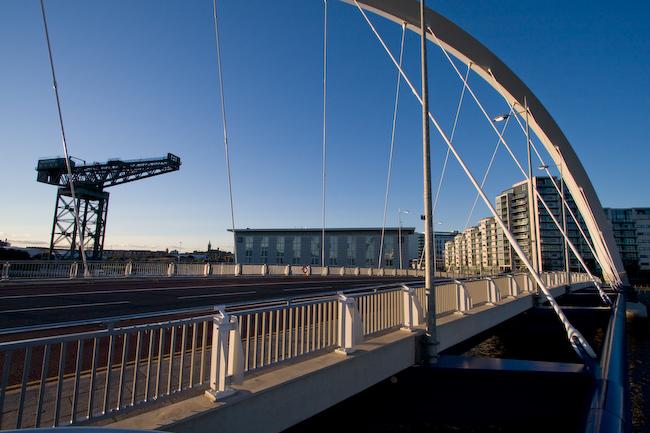
A modern and fancy suspension bridge, with crane in background. This
is near the Armadillo aka Scottish Exhibition Centre, which looks like
(a) its namesake, (b) a rip of Sydney Opera House.
1/250 at f8, 10mm, ISO200
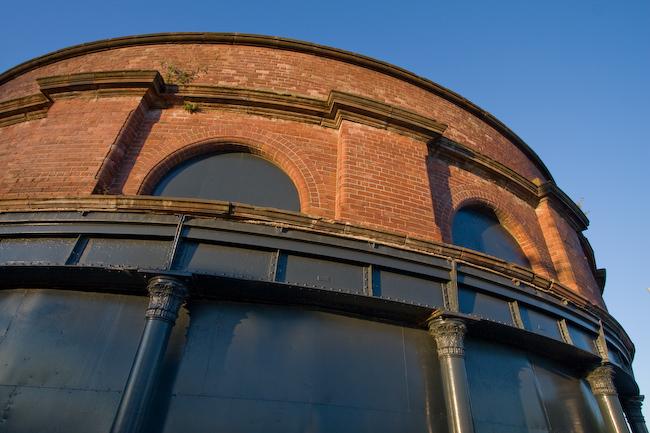
A Chinese restaurant up ahead occupied a large round building. I said,
'That looks like a tunnel entrance'. Sure enough, when we looked across
the river, we found its twin (and walked across to have a look). The
tunnel is disappointingly closed, being replaced by several road bridges
and another road tunnel further along.
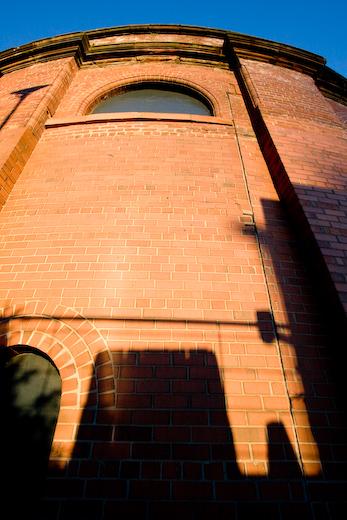
Shadows on the other roundhouse (which is unused).
1/30 at f8, 14mm, ISO200
More shadows.
1/125 at f8, 11mm, ISO200
Another picture so you can see what it actually looks like.
1/45 at f8, 12mm, ISO200
City streets
Back across the river I spent way too long standing in what is now
a large carpark taking pictures of the giant crane. Then we headed north
into a slightly run-down looking area which featured a relatively
modern church with a giant pyramidal copper roof (but which I didn't
take any interesting photos of).
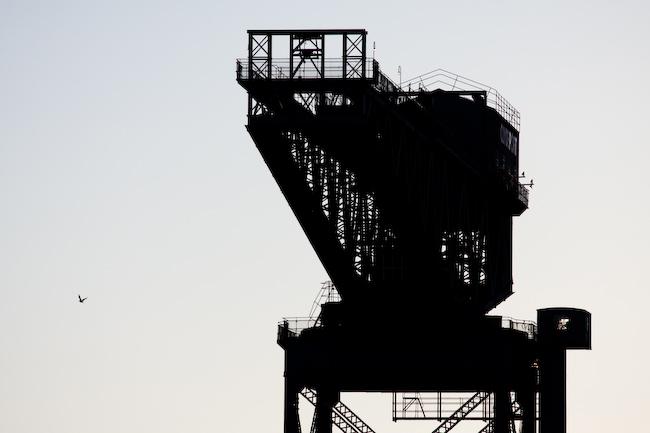
Crane superstructure.
1/30 at f8, 79mm, ISO200
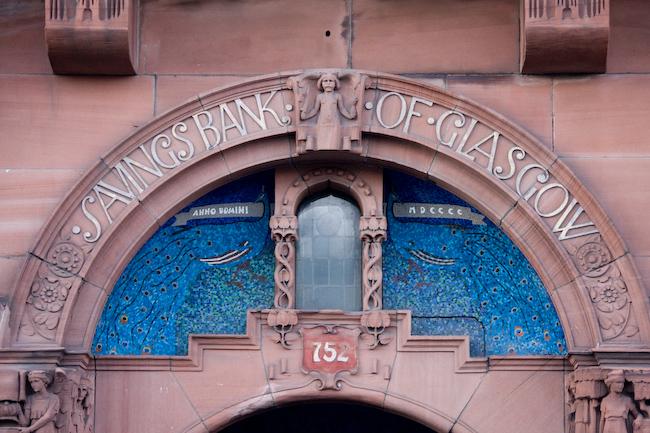
'Savings Bank of Glasgow' - gorgeous design on one of the older buildings
left in the area.
1/30 at f4.5, 100mm, ISO800
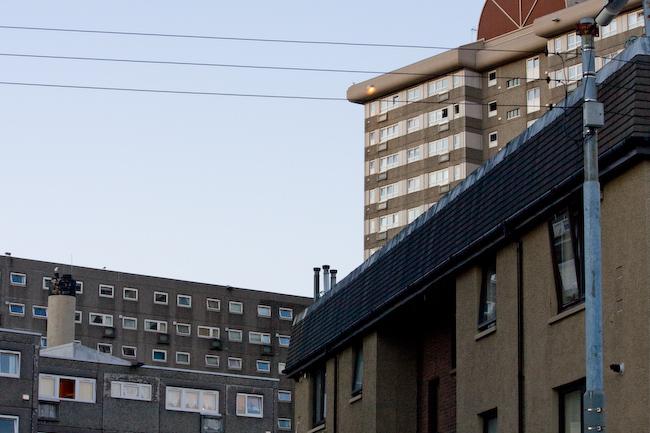
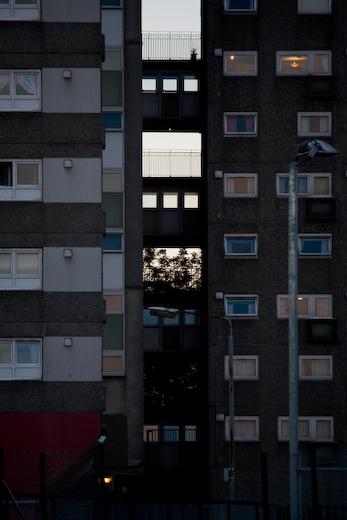
By 'slightly run-down' earlier I meant that we started off walking
through an estate of boarded-up mid-rise flats, with some roads blocked
off ready for demolition. However
there were quite a few other blocks still in use.
1/45 at f8, 55mm, ISO400
I liked their walkways.
1/60 at f5.6, 187mm, ISO400
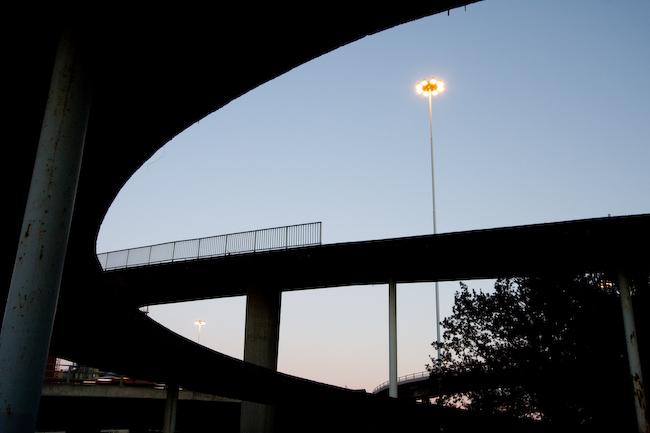
We had fun figuring out how to cross one major road. Another Glasgow
staple is pedestrian walkways that are blocked off because they end
in midair. Here's one of them (the railings end; shortly, so does the
walkway).
1/20 at f8, 22mm, ISO200
Skylines
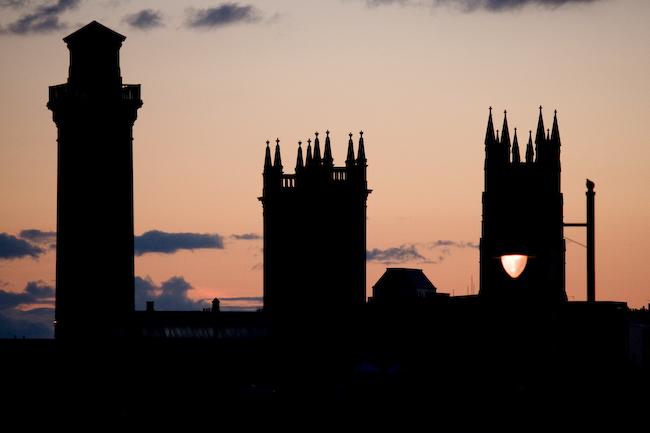
Before going to bed, we headed up a road near our hotel to Hill
Street, which (at this intersection) had views in three directions.
North.
1/90 at f4.5, 100mm, ISO1600
West.
1/350 at f5.6, 163mm, ISO1600
Day 2
Our plan for the day was to visit the police museum, but we
started off by walking around the city centre.
Impressive angular building.
1/180 at f5.6, 55mm, ISO400
An insurance company or bank or something (as was).
1/60 at f5.6, 65mm, ISO200
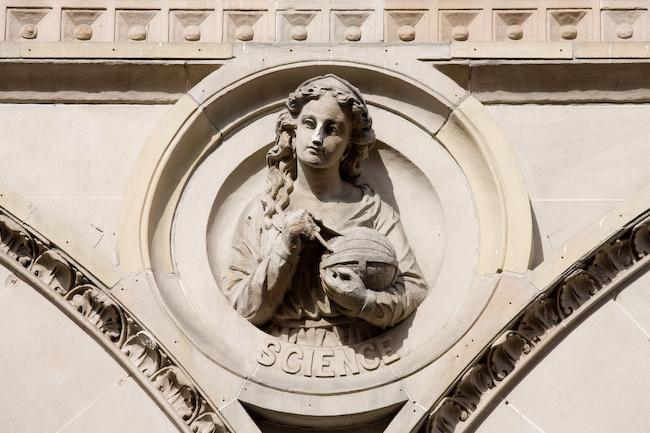
Hey, look, it's Science.
1/750 at f8, 146mm, ISO200
Modern art museum
We briefly looked inside the modern art museum; the exhibition
was mildly interesting, but not that special.
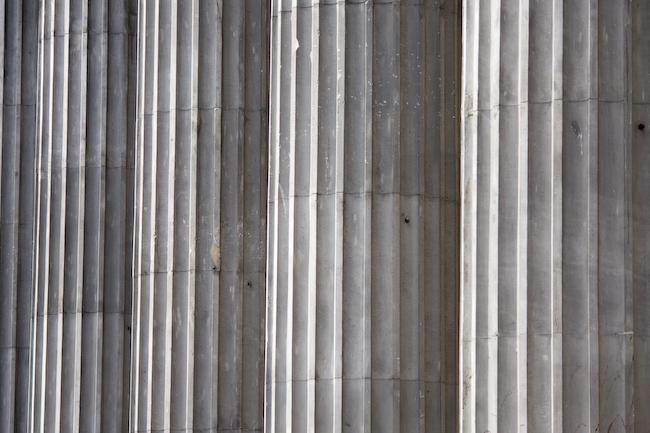
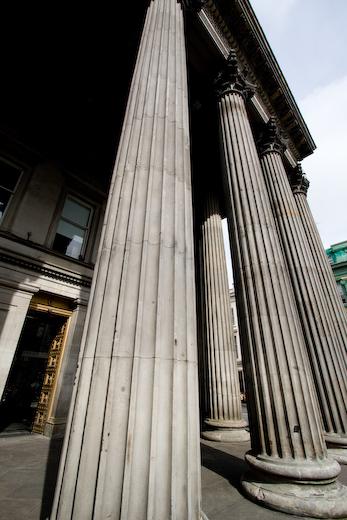
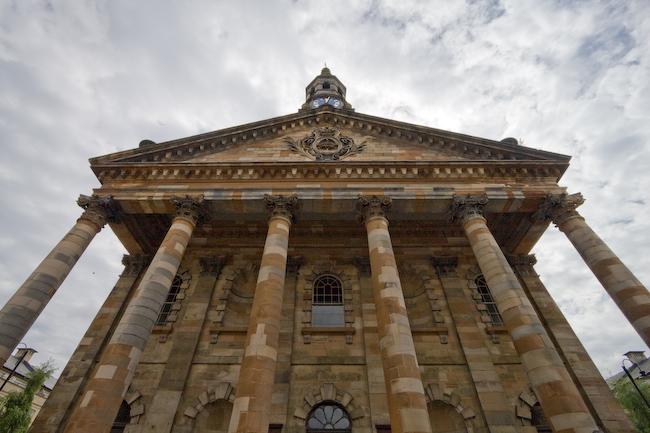
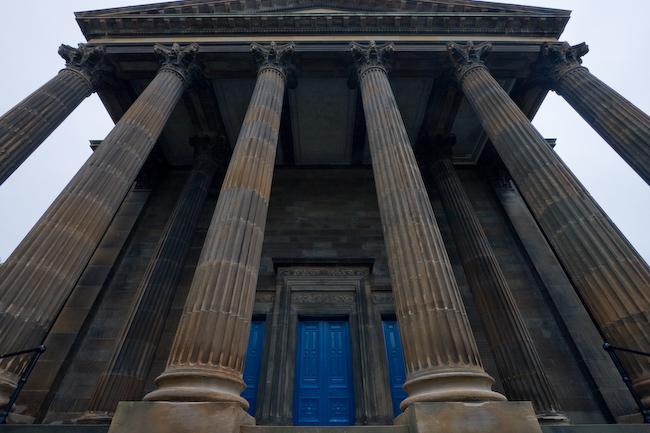
Pillars of the modern art museum.
1/750 at f4.5, 100mm, ISO200
And again.
1/500 at f8, 10mm, ISO200
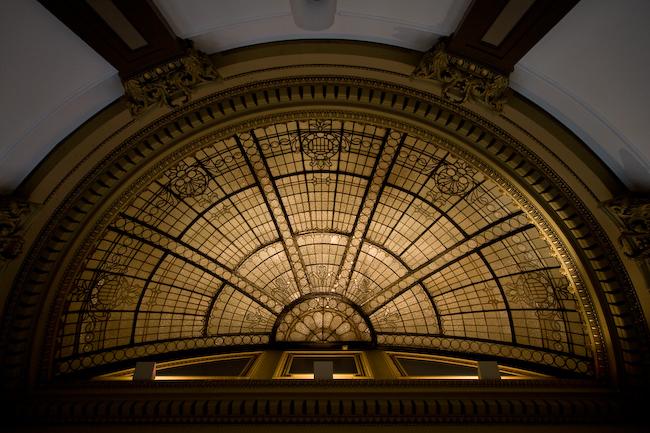
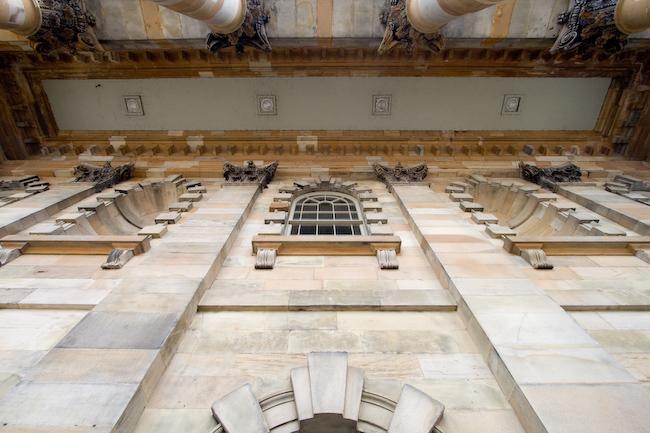
Ceiling of the museum.
1/20 at f4, 14mm, ISO400
Alleys
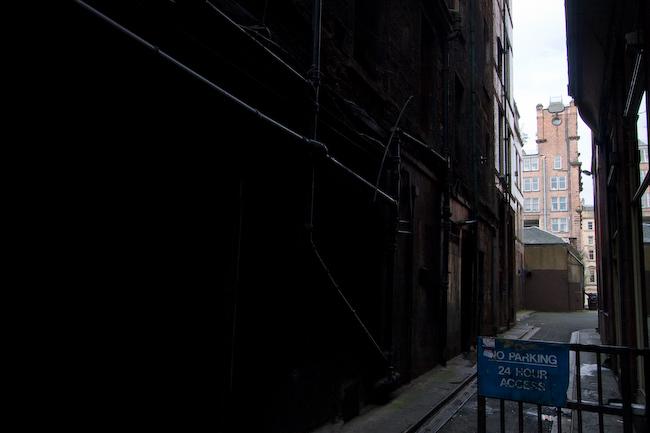
The city has numerous back alleys, which can be interesting.
Or not, depending on your point of view.
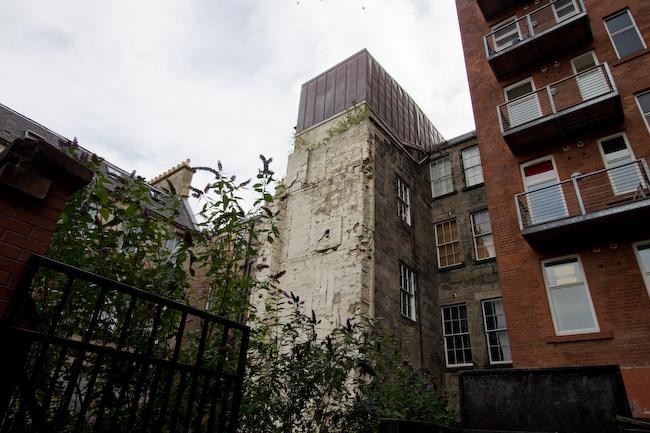
1/350 at f8, 14mm, ISO200
I like the pipework.
1/90 at f8, 18mm, ISO200
Eastward
The museum was a little way east.
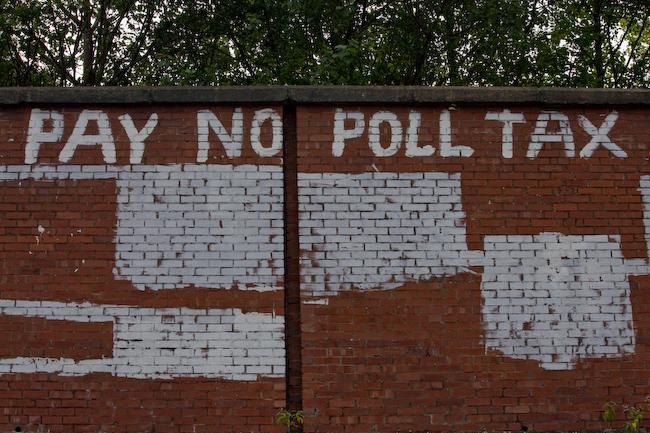
Current topics in graffiti.
1/750 at f8, 55mm, ISO200
Impressive church opposite the police museum.
1/750 at f8, 10mm, ISO200
Another view of the church.
1/60 at f8, 10mm, ISO200
The police museum itself is not a
major visitor attraction; the guide seemed quite happy to talk to us
for a bit. Glasgow had the first police force in the UK, apparently.
They also had police boxes, an original one of which was in the museum.
People's Palace
Glasgow Green is a large open space by the river, including a building
called the People's Palace (it's a museum of some kind, but we didn't
visit it).
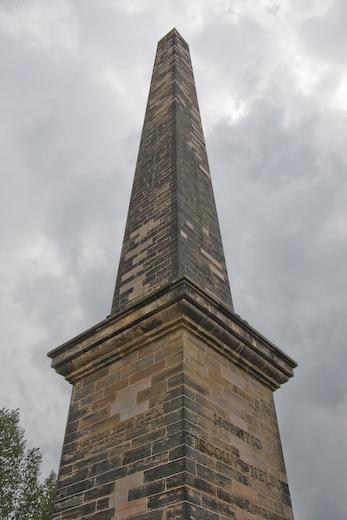
And Nelson's Column. Yes really, and no there isn't a statue on top.
1/350 at f8, 20mm, ISO200
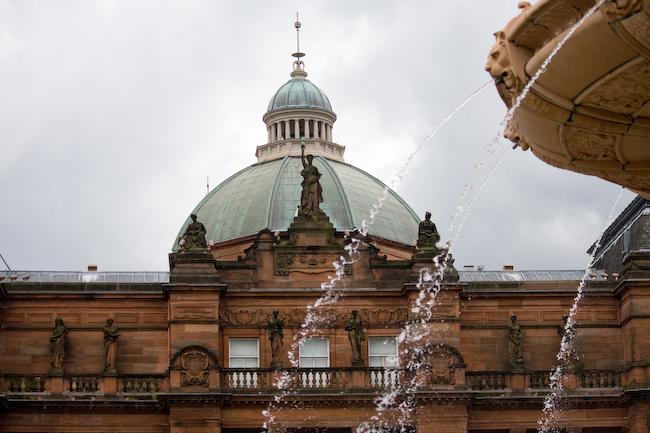
People's Palace behind a large fountain (which has panels on each side
representing the Colonies).
1/1000 at f4, 55mm, ISO200
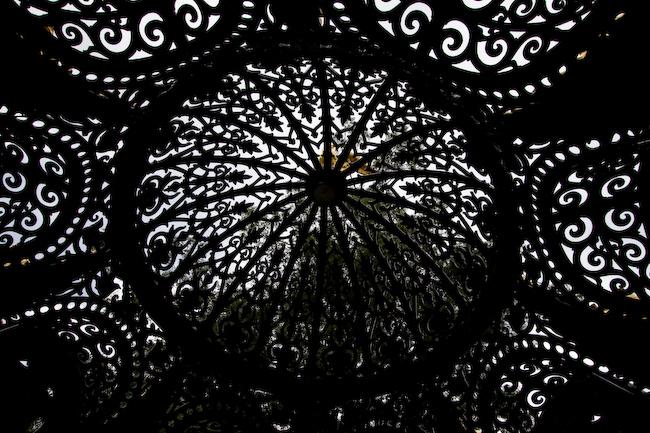
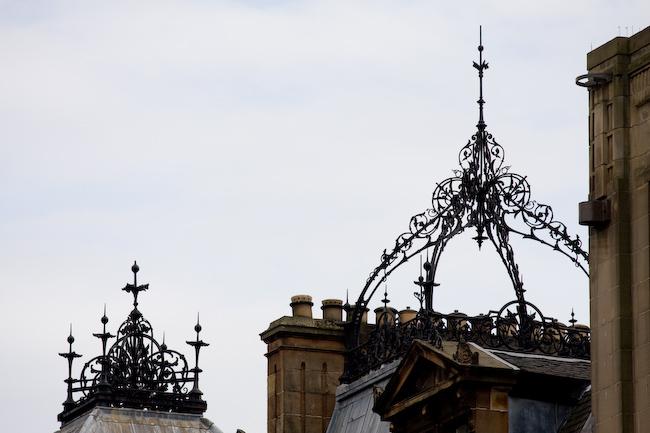
I think this roof was over a drinking fountain or something.
1/250 at f8, 14mm, ISO200
Not a lot left of this.
1/750 at f4.5, 22mm, ISO200
Distillery
We crossed the river by a footbridge, which led to what I think was
a distillery complex.
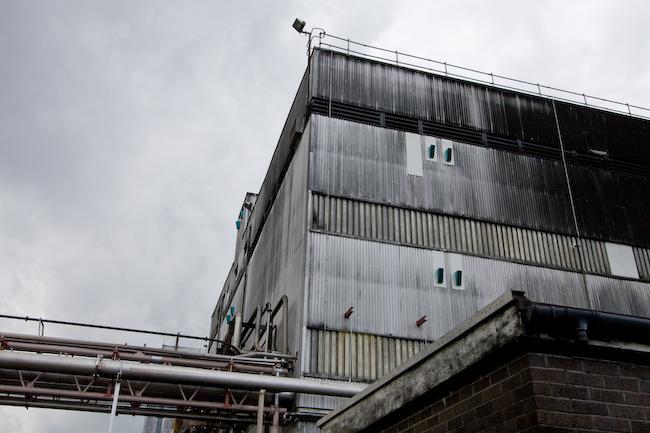
I really like that stained building.
1/180 at f8, 60mm, ISO200
Really.
1/180 at f8, 22mm, ISO200
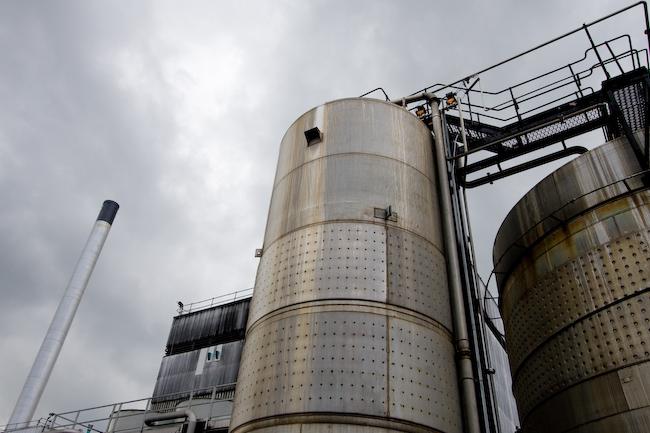
Tanks and chimneys are always good too.
1/250 at f8, 17mm, ISO200
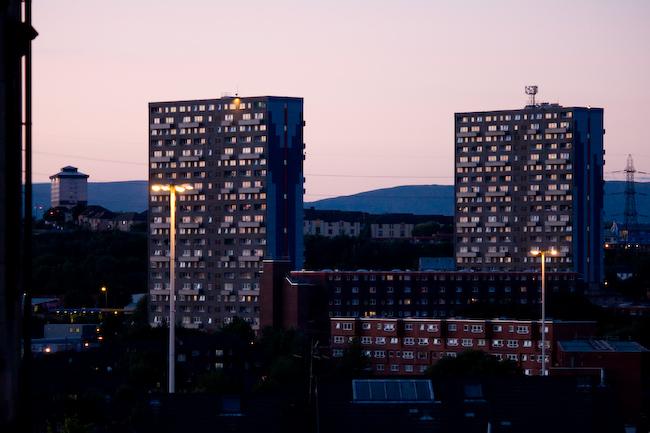
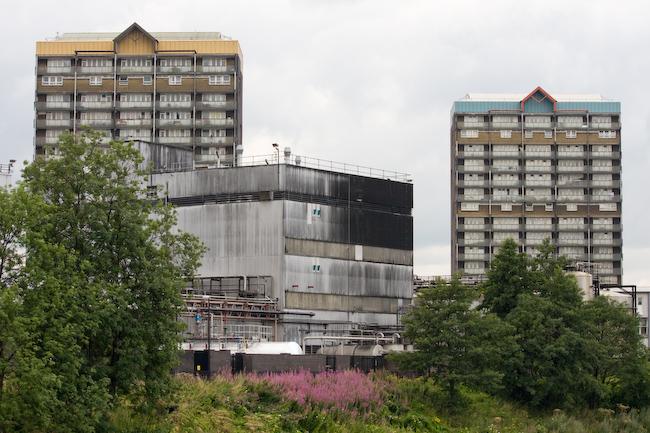
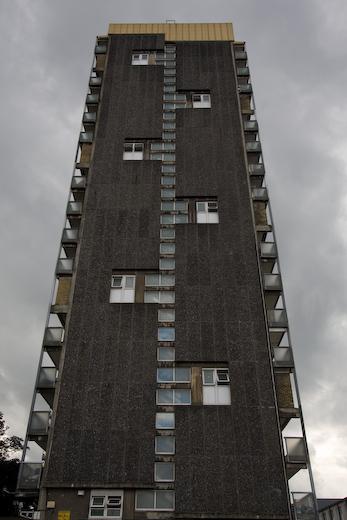
A couple of large tower blocks stand next to the distillery.
Convenient!
1/125 at f8, 19mm, ISO200
Cathedral area
Back across the river, we made our way to the cathedral area.
There's a medieval house, which we visited before heading into the
cathedral proper.
Budget dome.
1/750 at f8, 250mm, ISO200
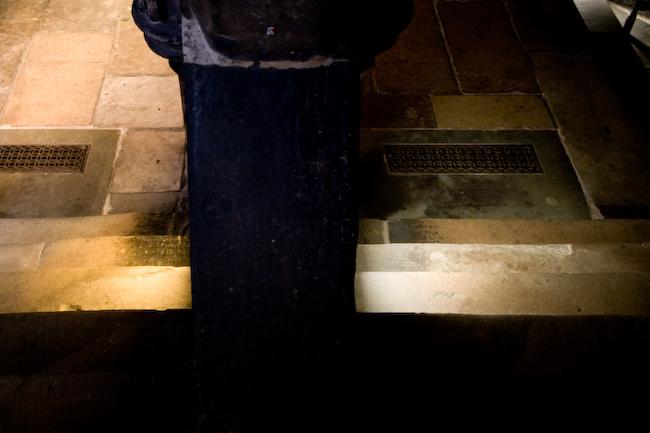
Steps down in the cathedral.
1/4 at f4.5, 22mm, ISO800
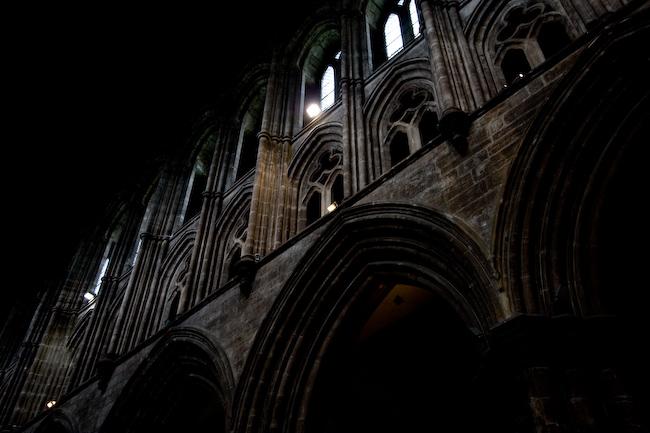
Arches and windows.
1/10 at f4.5, 22mm, ISO400
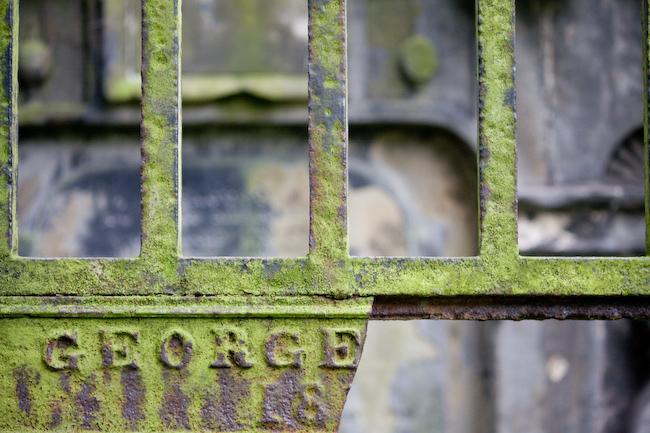
George.
1/30 at f4, 55mm, ISO400
Necropolis
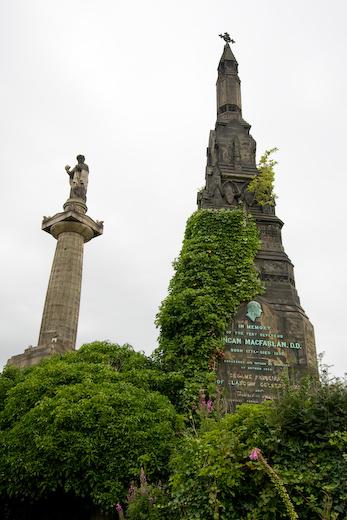
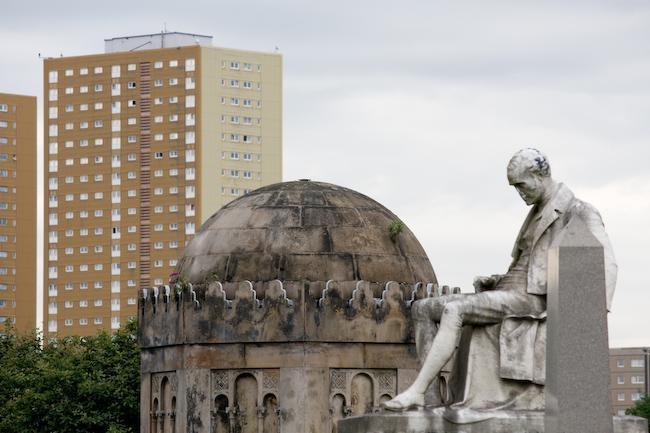
Near the cathedral there's a large graveyard on a hill where all those
wealthy merchants were buried. It's really called the Necropolis.
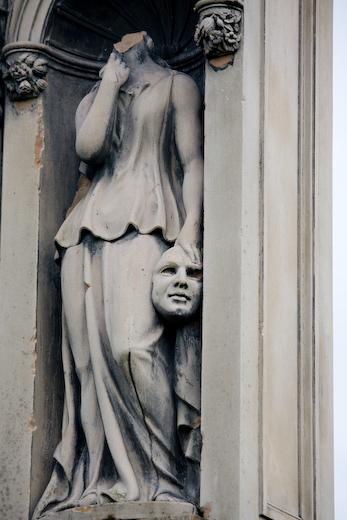
Headless woman.
1/125 at f5.6, 123mm, ISO200
Top of the hill.
1/125 at f5.6, 22mm, ISO200
There are impressive views from the hill (which would have been better
without the rain).
1/125 at f8, 163mm, ISO200
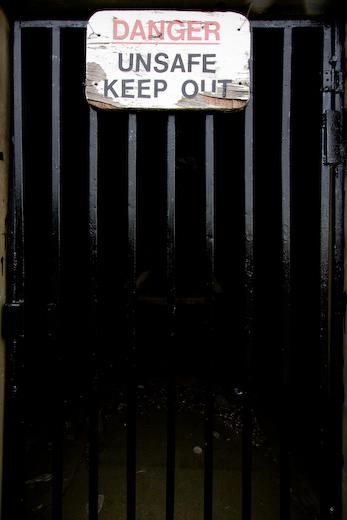
Apparently the graveyard has a zombie problem with some of the tombs.
1/45 at f8, 13mm, ISO200
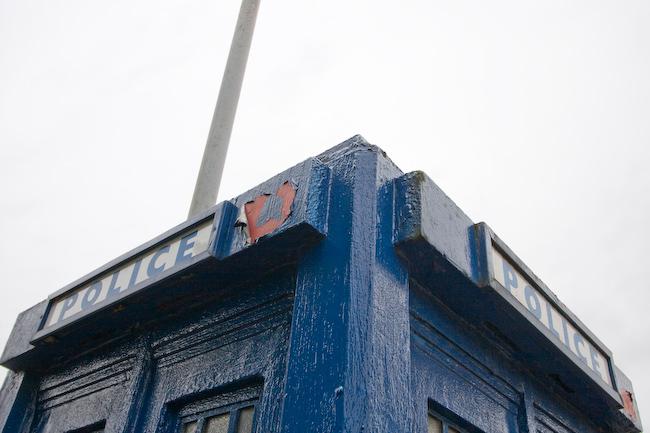
And on the way back we walked by a police box in blue Tardis livery.
(The original ones were actually red.) It wasn't in use, but
then again, it hadn't been turned into a coffee kiosk either like
several we saw.
(Insert your own dematerialising noises here. Even though it doesn't
actually look like the one in Dr. Who...)
1/90 at f8, 21mm, ISO400
Day 3
We went to the University and its Hunterian Museum, which features
lots of icky things in jars (and some fun science experiments you
can do).
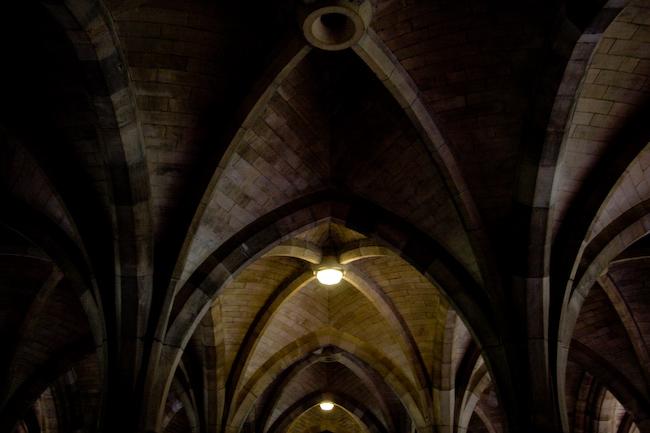
University arches.
1/15 at f4.5, 22mm, ISO800
A massive church opposite the University.
1/125 at f8, 10mm, ISO200
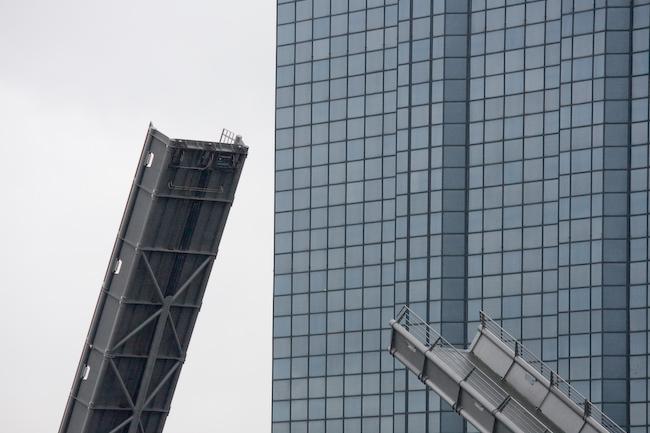
Heading to the riverside later on, we got to see a bridge
raised. Disappointingly, this appeared to be for the benefit of a
rather crappy-looking cabin cruiser.
Bridge.
1/180 at f6.7, 146mm, ISO200
Great street sign.
1/45 at f4.5, 70mm, ISO200
The text reads 'Loch Katrine'. (A large lake some distance from
the city which provided
the first municipal water supply.)
1/125 at f8, 131mm, ISO200
Day 4
We headed west from our hotel and visited the Kelvingrove Museums
(there's a large art museum, and a smaller transport museum, which
has trams and steam engines and such; it's popular with children but
not with my dad).
The crane! From quite a distance.
1/180 at f8, 187mm, ISO200
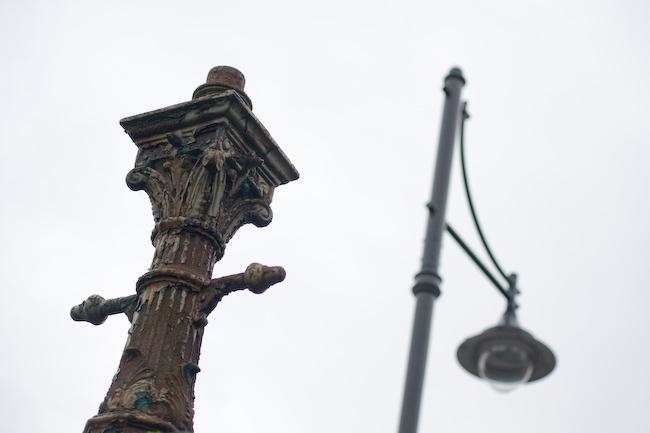
An old lamp-stand.
1/500 at f8, 18mm, ISO200
Not a lot left of this building in Park Gate. They are probably
in the process of rebuilding it as expensive and now-unwanted
luxury apartments.
1/180 at f8, 74mm, ISO400
Another lamp standard and its modern counterpart.
1/500 at f4, 55mm, ISO200
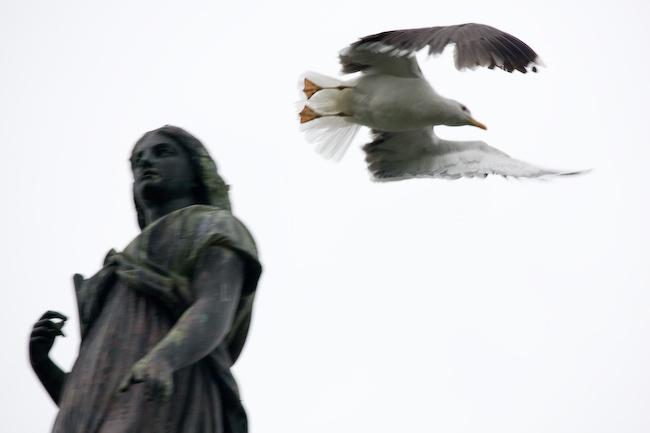
Statue and gull (which had been perched on the statue).
1/250 at f8, 214mm, ISO200
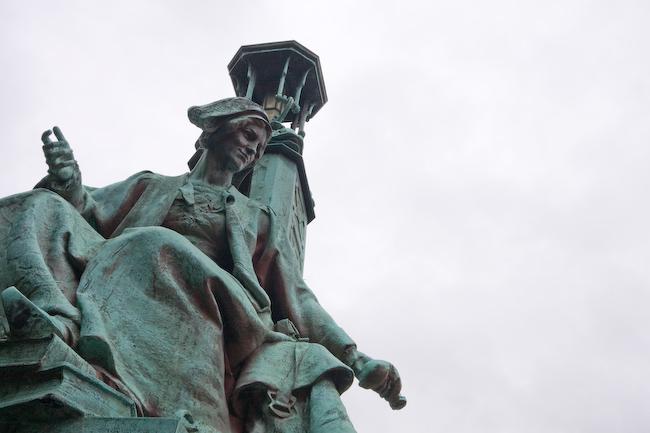
One of four statues on a bridge across the Kelvin.
1/90 at f8, 22mm, ISO200
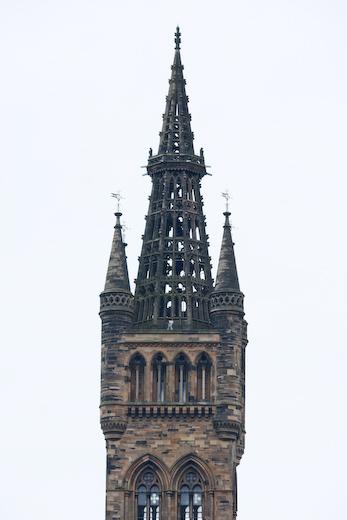
The University tower. They ran out of money to finish it, so
it's hollow at the top.
1/90 at f8, 154mm, ISO200
Kelvin Walkway
We walked for a little distance north along the Kelvin Walkway
beside the river, which is pleasant enough.
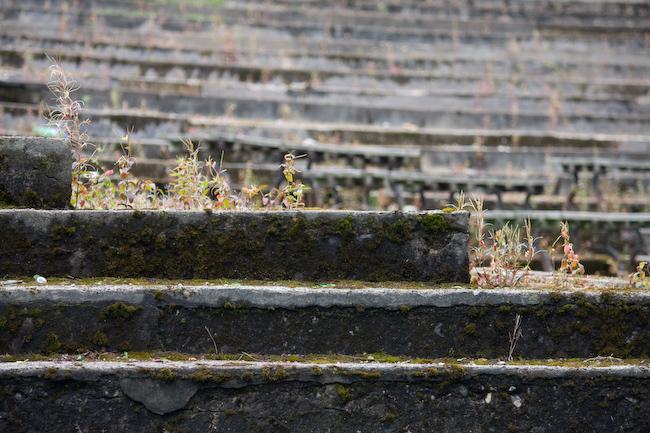
Steps/seating in what looked like a small riverside venue for
entertainment of some sort.
1/90 at f4.5, 109mm, ISO200
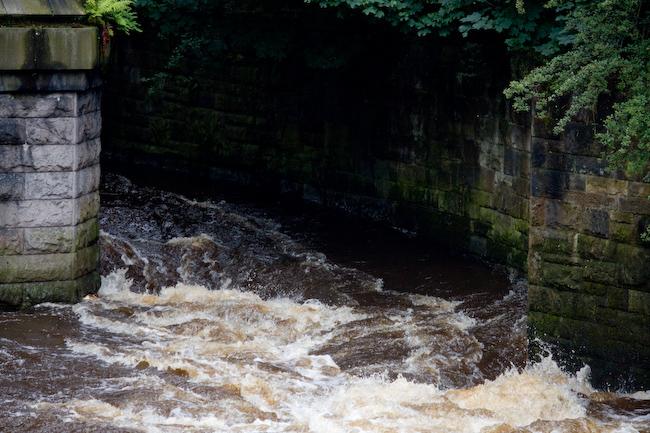
The Kelvin is actually quite vicious. This is a side channel by
a bridge.
1/350 at f4.5, 135mm, ISO200
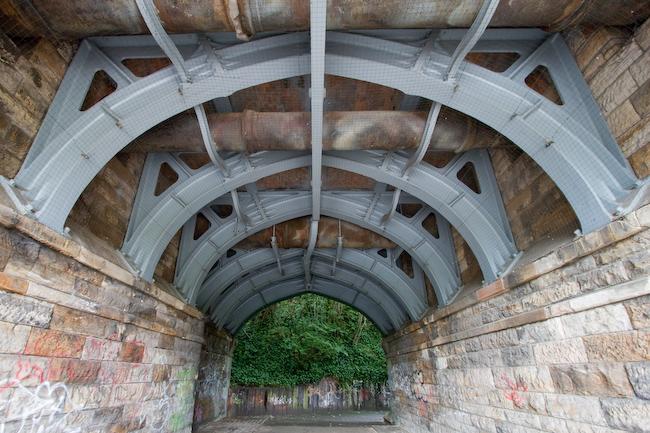
Pedestrian arch of a bridge.
1/10 at f4.5, 10mm, ISO400
Crossing to the canal
Leaving the river, we headed instead for the Forth and Clyde canal.
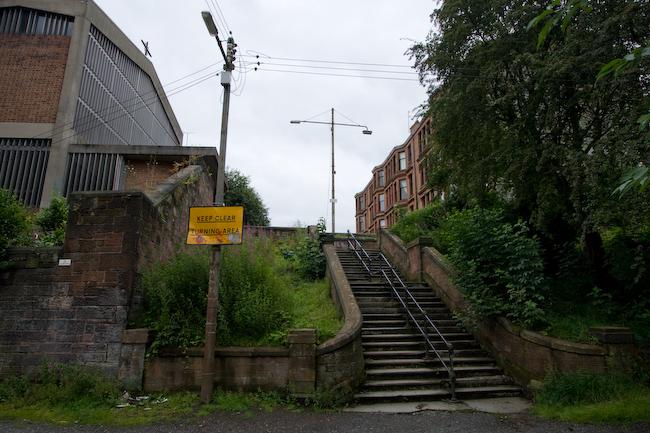
Residential street (end thereof) with steps.
1/125 at f8, 12mm, ISO200
Church tower.
1/90 at f8, 22mm, ISO200
And again.
1/180 at f8, 123mm, ISO200
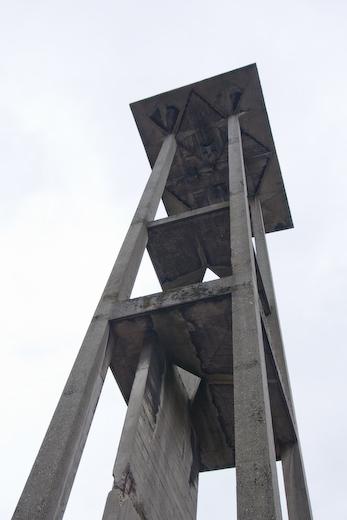
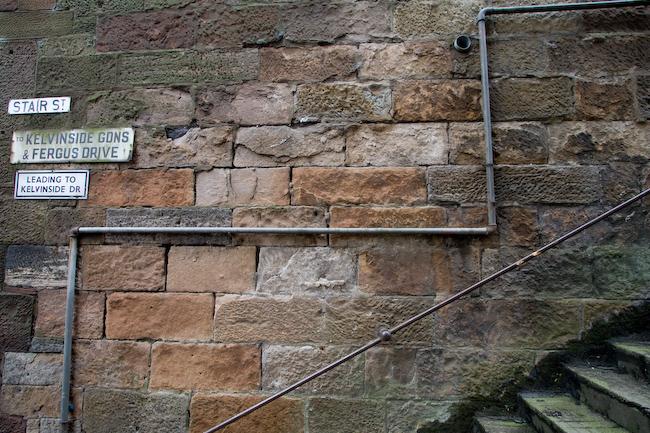
Stair Street (which does what it says, etc).
1/45 at f5.6, 10mm, ISO200
The canal
We followed the canal back south into town.
Stripes.
1/90 at f8, 109mm, ISO200
This canalside building is a pigeon-loft (or so we were informed by a
council employee who saw us taking pictures of it).
1/180 at f8, 14mm, ISO200
The canal runs quite high above the city.
1/750 at f8, 22mm, ISO200
A large dull brick building across the canal.
1/125 at f8, 70mm, ISO200
Stepping stones (no, we didn't try them).
1/45 at f8, 22mm, ISO200
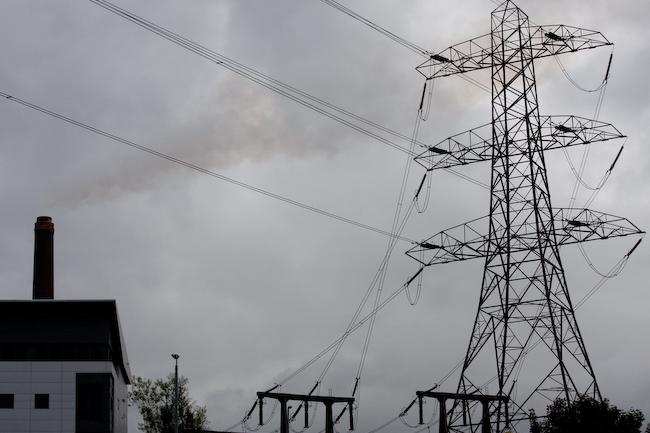
A very small power station? Don't know.
1/1500 at f8, 55mm, ISO200
Near the canal's end.
1/350 at f8, 22mm, ISO200
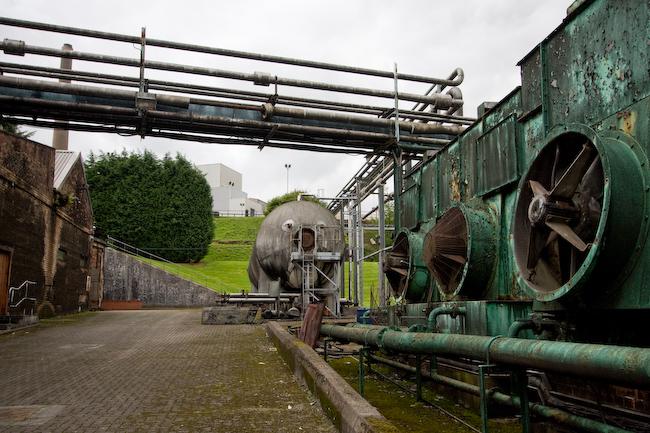
Part of a fairly large distillery complex.
1/180 at f4.5, 20mm, ISO200
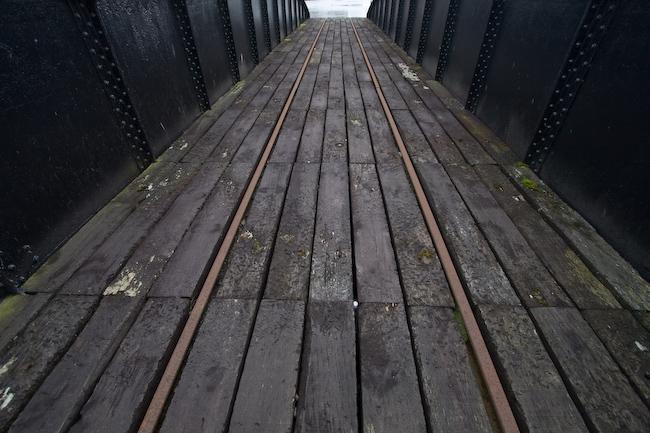
Turning railway bridge to nothing (well, into the canal basin).
1/60 at f4.5, 10mm, ISO200
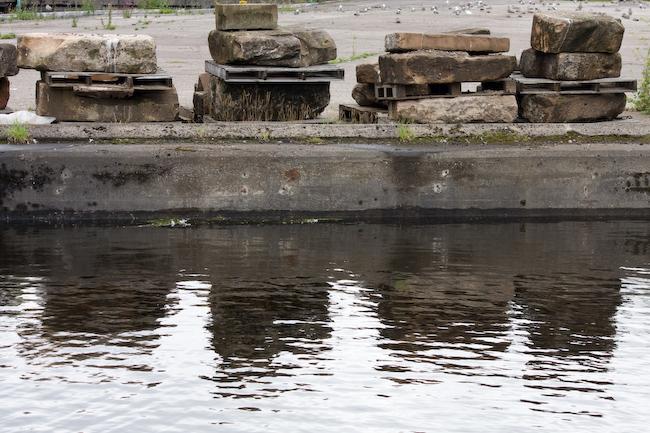
Stones.
1/60 at f8, 79mm, ISO200
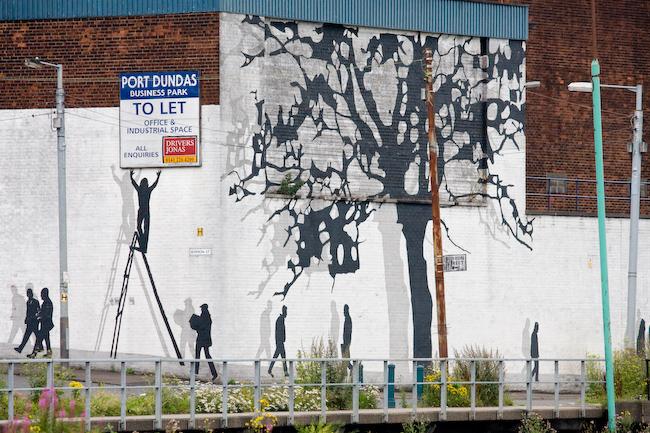
Artwork on empty industrial building.
1/180 at f8, 187mm, ISO200
Back to base
Having reached the end of the canal, we returned to the hotel through
a picturesque area of the city.
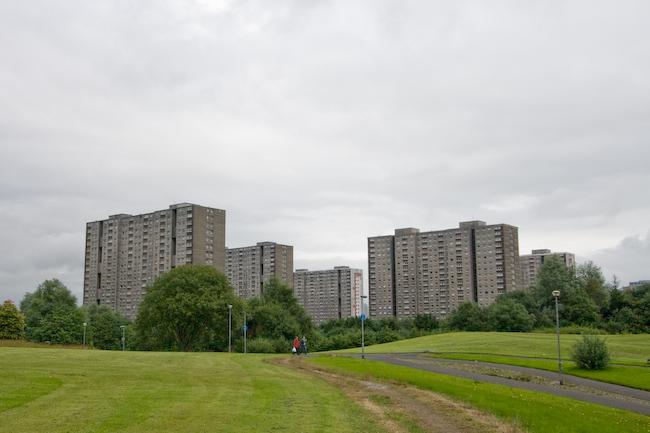
Landscaped park and tower blocks.
1/350 at f8, 22mm, ISO200
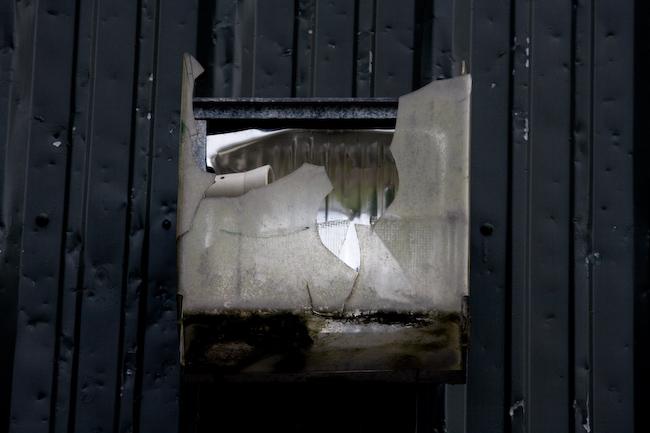
Answer (around the corner) to the question I'd posed a minute earlier:
'Do they really need to put a metal cage around that? It's just
a security light.'
1/180 at f8, 154mm, ISO200
Day 5
Supreme excitement awaited us; we'd found a leaflet advertising tours
up a giant crane even bigger than the one in the city. Woo!
We went for a bit of a walk in the morning first, though - while Mum
sat in a launderette waiting for our clothes to wash. (Yes, really.
She volunteered, without asking to take turns or whatever. I still can't
believe it. Poor Mum.)
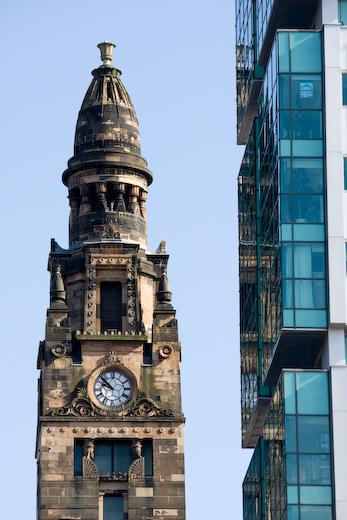
Impressive clock tower on the 'Egyptian' church, which is otherwise
covered in scaffolding.
1/350 at f8, 146mm, ISO200
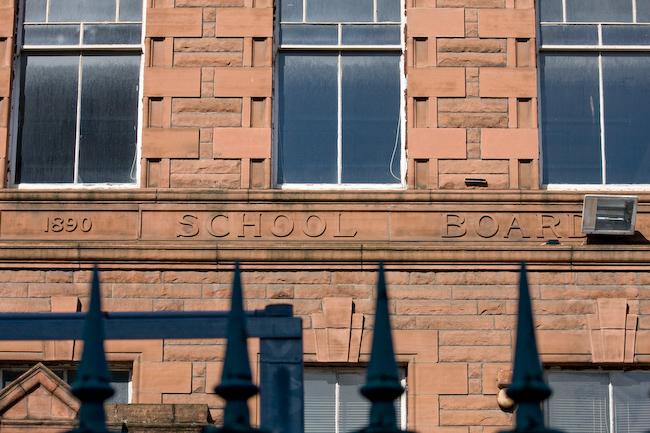
Just a school building.
1/750 at f8, 70mm, ISO200
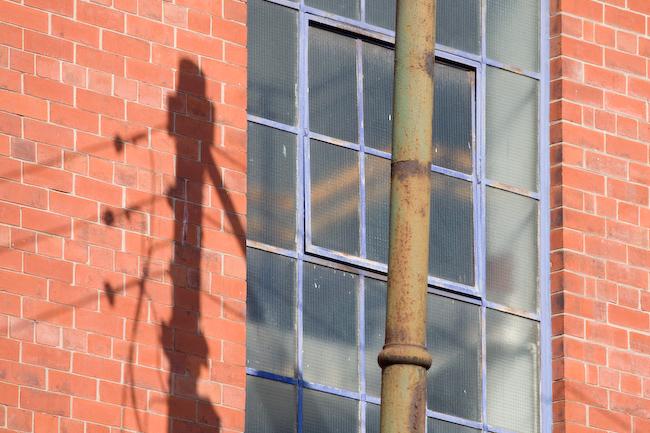
Shadow.
1/500 at f8, 208mm, ISO200
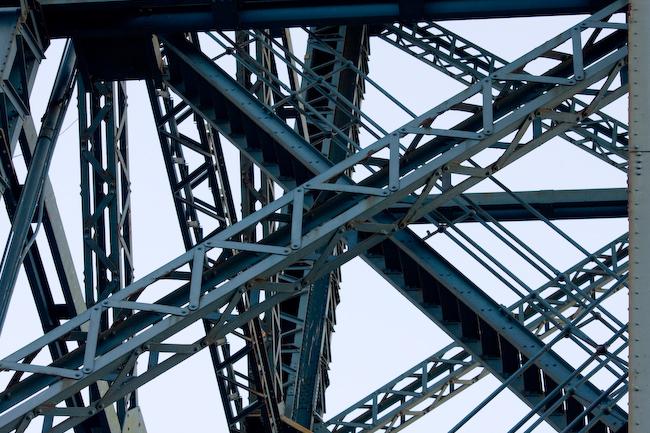
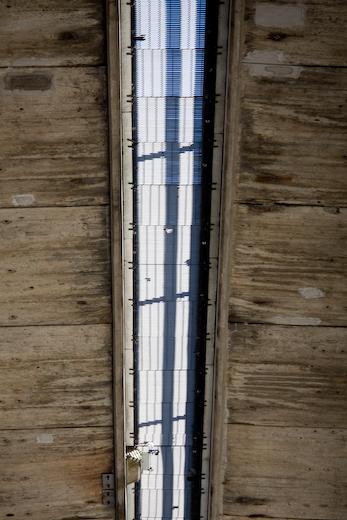
Looking up at the centre of a road bridge.
1/250 at f4.5, 131mm, ISO200
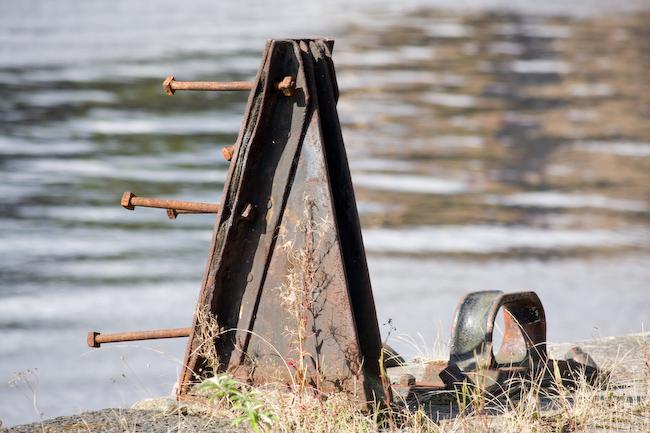
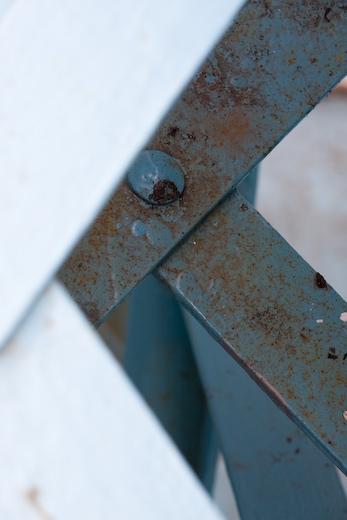
Convenient riverside rusty-bolt-holder.
1/250 at f8, 235mm, ISO200
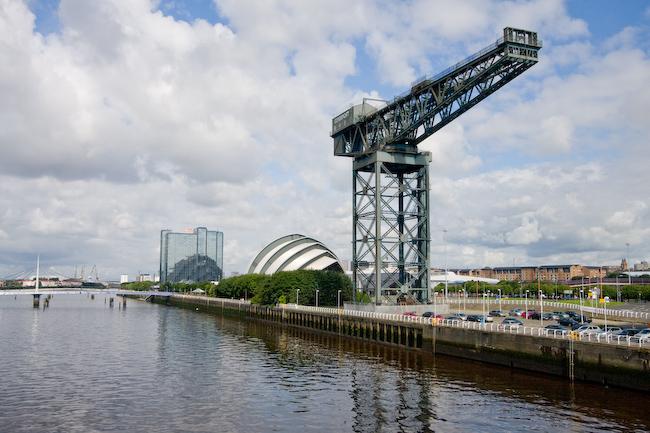
Glasgow's crane, just as a reminder...
1/1000 at f8, 22mm, ISO200
Titan
The big crane is in Clydebank and is called 'Titan'. (Presumably this
name only came after it was made a tourist attraction.) It's the biggest
crane of its type still standing in Britain, or something like that,
and the oldest too. Either way it's pretty damn big, and only slightly
spoiled by the lift shaft and emergency stairwell they've added. (I'm
a little disappointed they didn't use the original stairs, although
that probably wouldn't be too great for disabled access.)
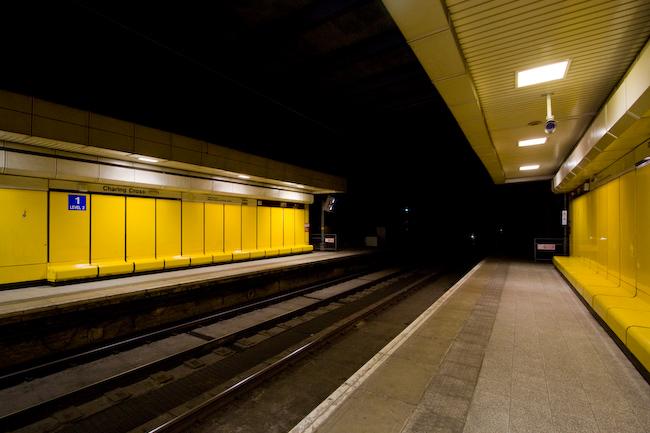
We took a train to get there. Our local station was Charing Cross.
(Huh?)
1/15 at f4.5, 10mm, ISO800
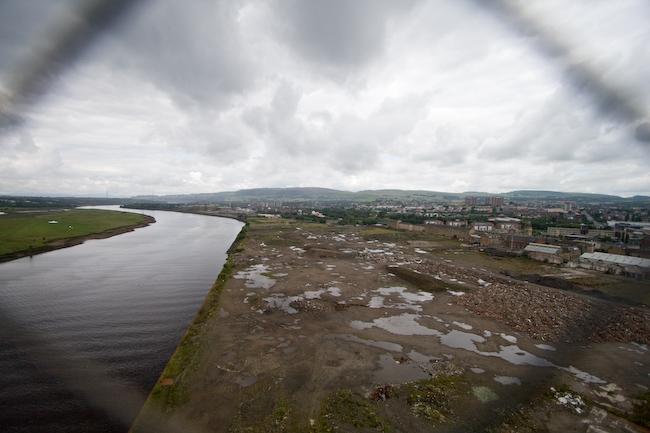
You have to take a shuttle bus from the ticket office across the
wasteland-nee-shipyard, which isn't open to the public, then take the
lift to the top of the crane. It's
rather aggressively fenced in with wire mesh, making it a bit hard to
take photos. The floor is also a metal grid. Still, I made an effort.
Here we are on top of the crane, looking out over a large
expanse of what used to be shipyard.
1/1500 at f3.5, 10mm, ISO200
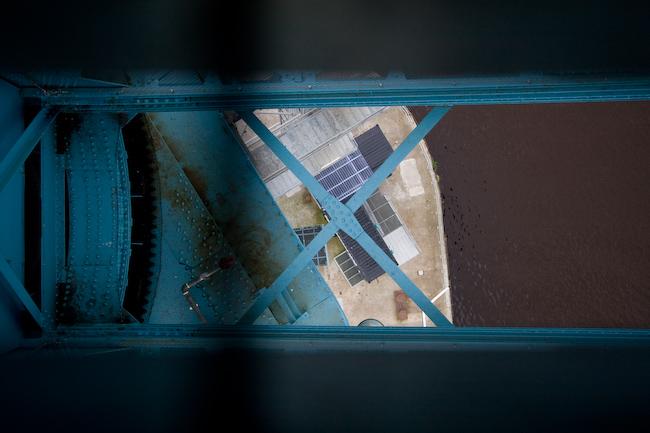
Looking down through the floor.
1/180 at f4.5, 22mm, ISO200
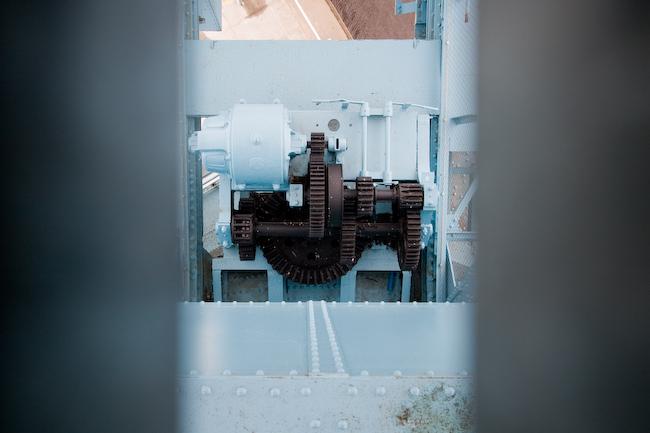
I think this is the motor which used to turn the crane.
1/45 at f4.5, 22mm, ISO200
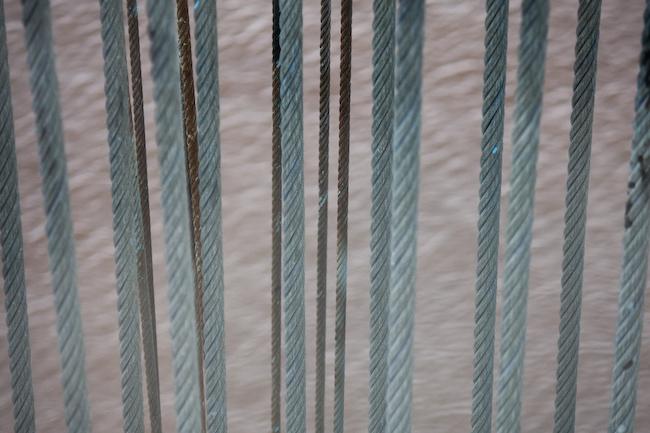
Steel cables running down to the big hook thing.
1/90 at f4.5, 135mm, ISO200
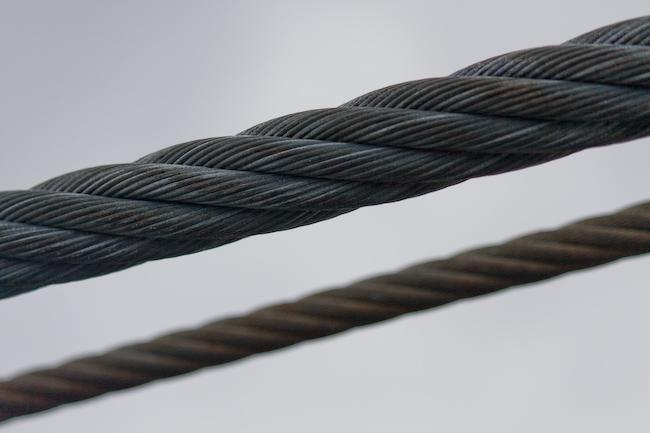
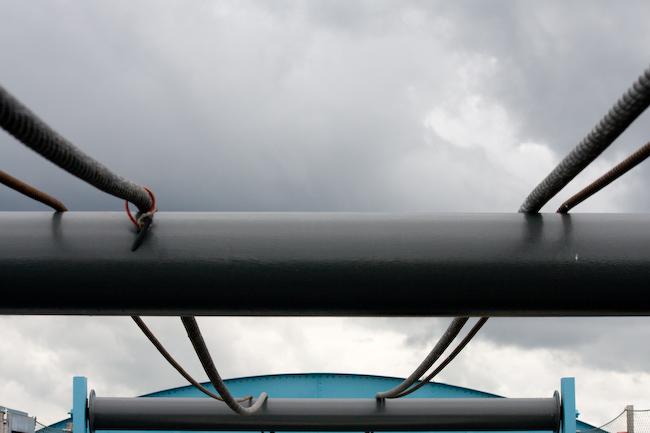
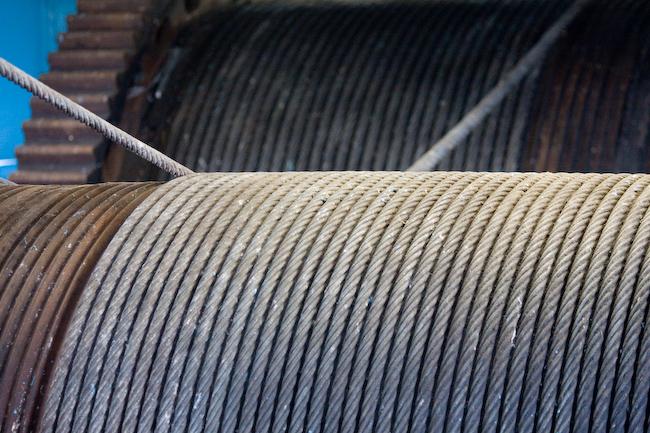
Two of the four cables that run along the top of the crane from the
wheelhouse.
Looking back along the top of the crane toward the wheelhouse.
1/350 at f8, 55mm, ISO200
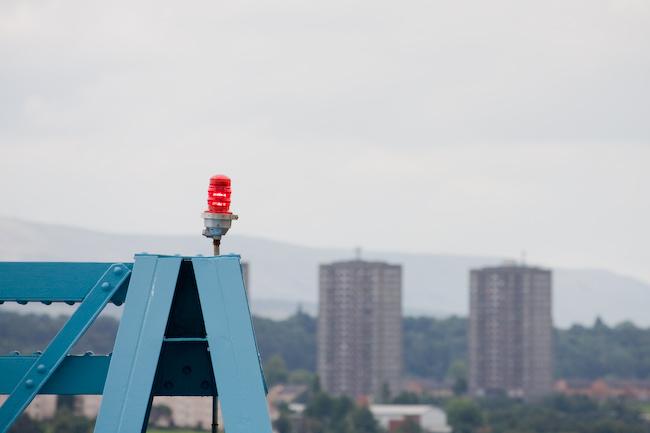
The end of the crane (and a couple of tower blocks).
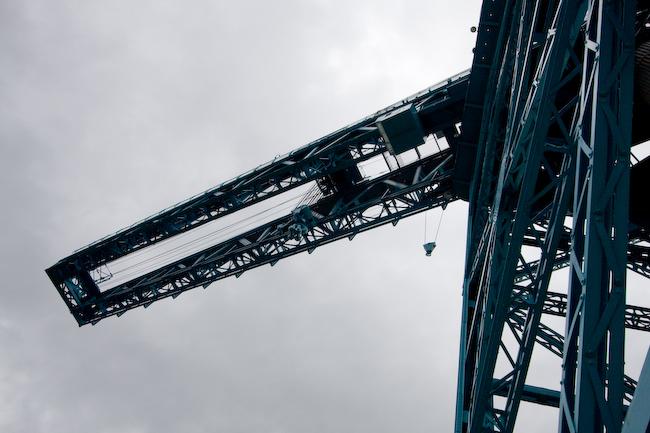
1/350 at f8, 250mm, ISO200
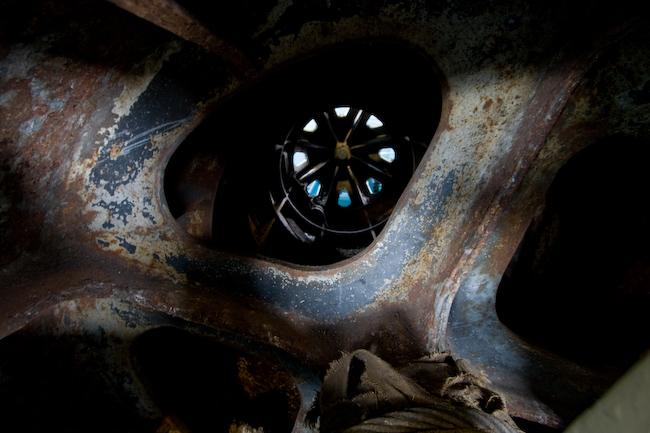
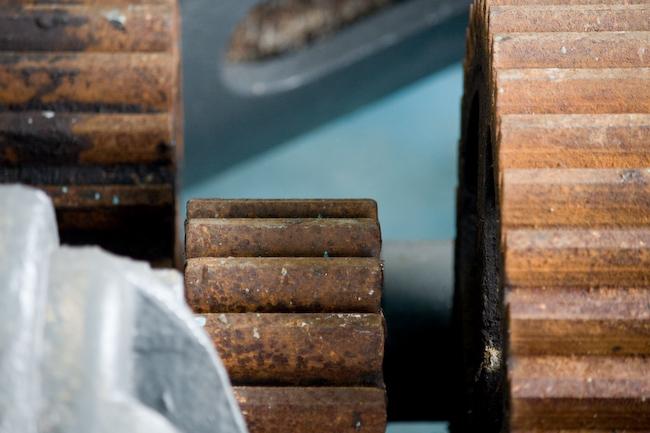
Cogwheels.
1/15 at f4.5, 146mm, ISO800
Cable winding drums (and big cogwheels).
1/30 at f4.5, 84mm, ISO800
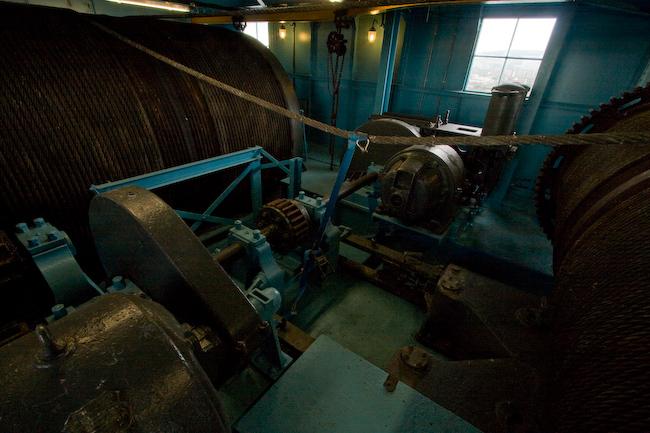
Wide view of part of wheelhouse.
1/20 at f8, 10mm, ISO200
Cables running out through a brushed gap toward the business end
of the crane.
1/45 at f4, 55mm, ISO200
Opposite bank of river. I don't know if this was farmland even when
there was a working shipyard...
1/125 at f8, 250mm, ISO200
There was a short film from the 1960s showing on loop in the
wheelhouse; a documentary about shipbuilding on the Clyde, it apparently
won some kind of Oscar. Only one brief shot of the crane (along with
an awful lot of smaller ones which aren't there any more) but
interesting nonetheless, particularly because there
was absolutely no hint that all these incredible feats of industry
and thousands upon thousands of workers were
rapidly approaching a steep decline into the scrapheap.
(Do we even have scrapyards any more?)
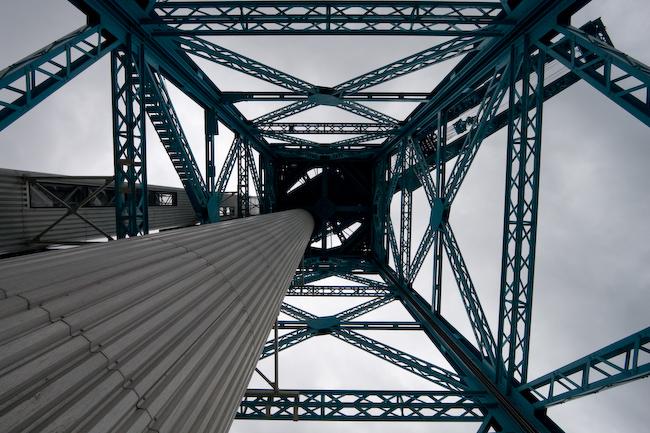
Looking back up. A long way up.
1/250 at f8, 10mm, ISO200
Another shot.
1/500 at f8, 21mm, ISO200
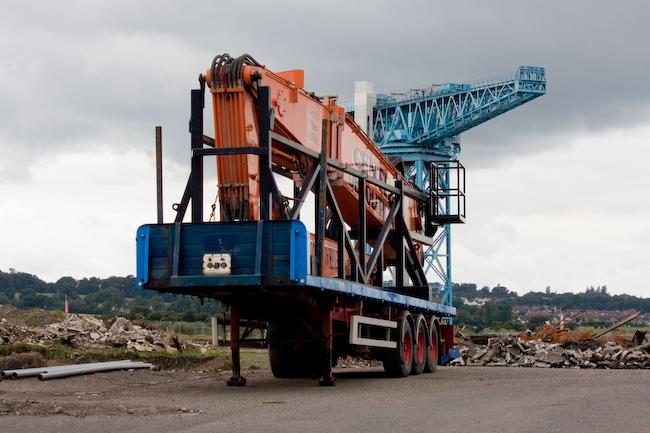
A tale of two cranes (and rather a lot of foreshortening).
1/180 at f8, 55mm, ISO200
All good things come to an end, so after descending the lift
we headed back toward the wonders of Clydebank town - which, to put
it politely, is a total hole. Their landmark shopping centre features
a pound shop, about three million screaming kids, and unbelievably
awful music. I was quite surprised not to find blue anti-junkie
lighting in the toilets (if you have to go to that shopping
centre regularly, you're going to need to stock up on class As).
Anyway, the canal ran through it, so we followed the towpath and got
out of there sharpish.
The canal
We were travelling west to the point where the canal joins the Clyde.
No particular reason, just because.
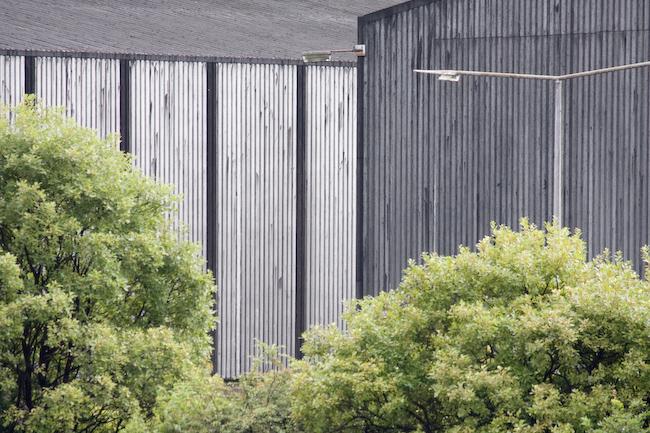
Part of a large block of identical corrugated 'bonded warehouses' (for
customs) between canal and river.
1/90 at f8, 250mm, ISO200
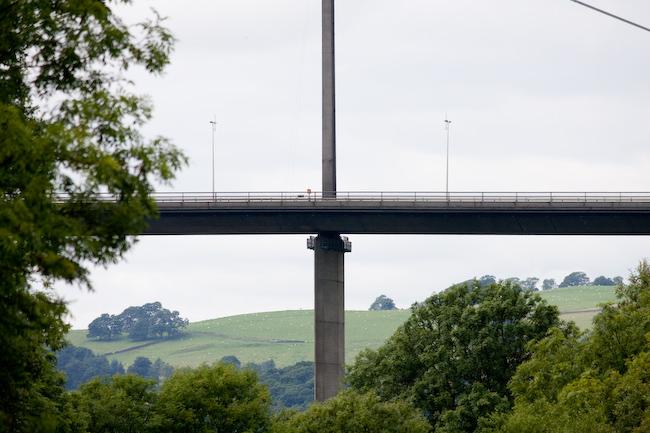
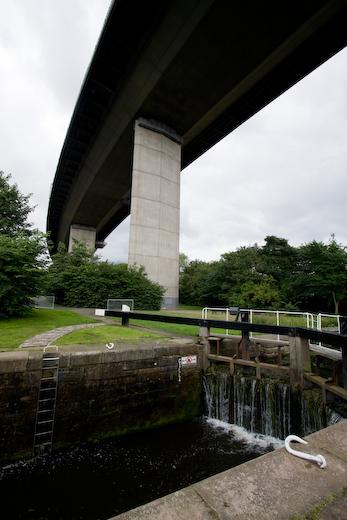
Erskine Bridge, a rather impressive road bridge across the canal but
also the Clyde.
1/500 at f8, 250mm, ISO200
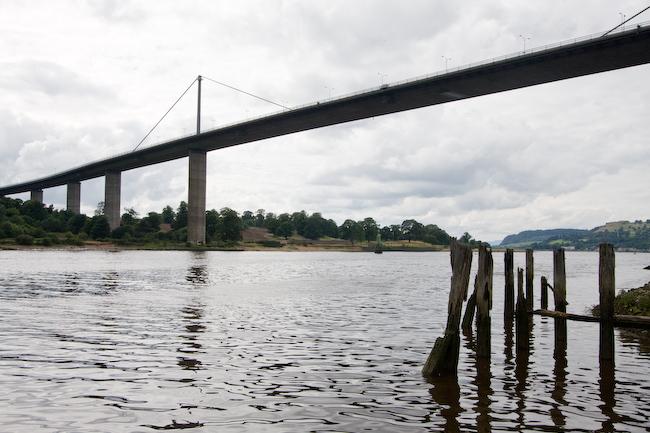
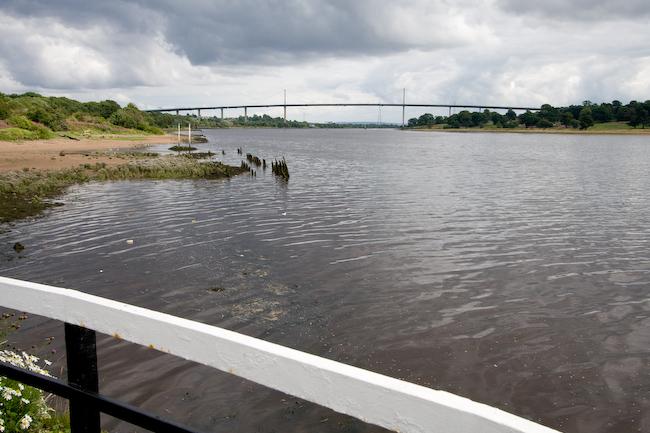
The bridge again, taken from where the old ferry used to depart.
1/350 at f8, 22mm, ISO200
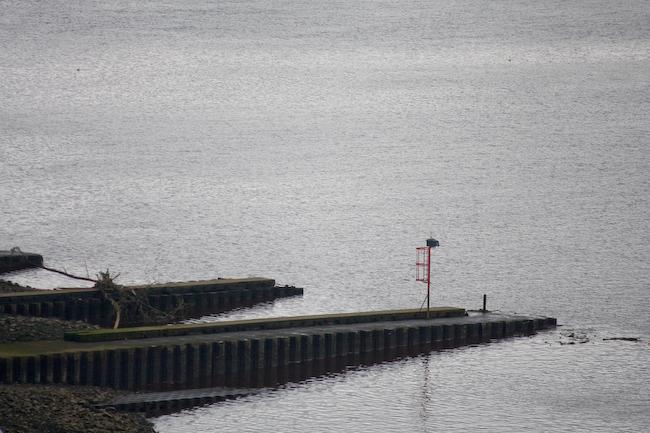
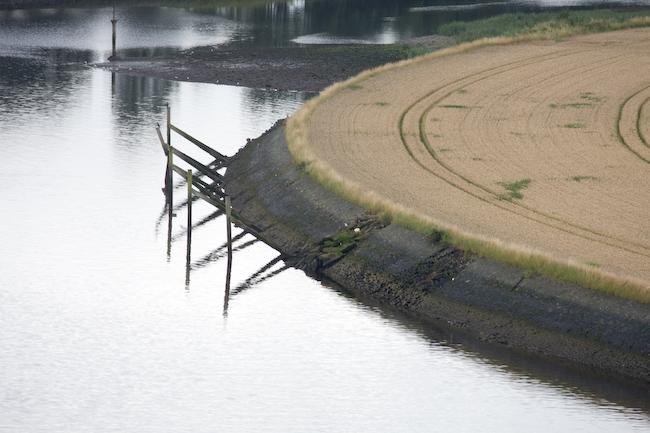
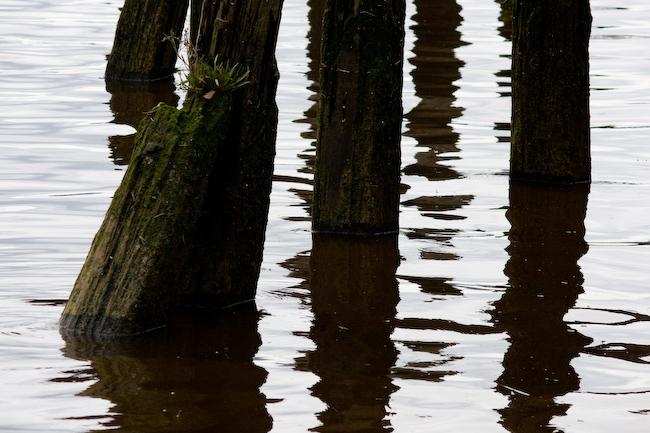
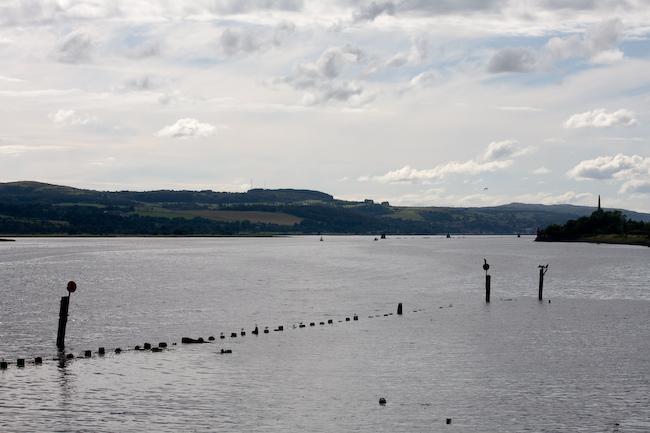
Pilings in the Clyde.
1/350 at f8, 154mm, ISO200
Bridge certainly looks like overkill when it's just crossing the little
canal.
1/90 at f8, 10mm, ISO200
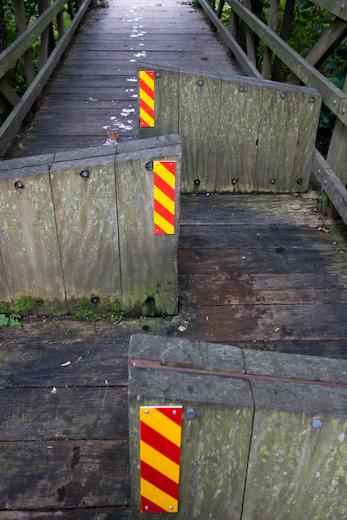
Dangerous nature trail leading away from the canal towpath.
1/15 at f4.5, 22mm, ISO200
Bowling
The canal ends at a swish-looking marina and the requisite tidal lock
into the Clyde in a place called Bowling. We did not spot any actual
bowling going on; still, cool name.
Looking back upriver at the bridge.
1/350 at f8, 22mm, ISO200
And across the river.
1/1500 at f8, 55mm, ISO200
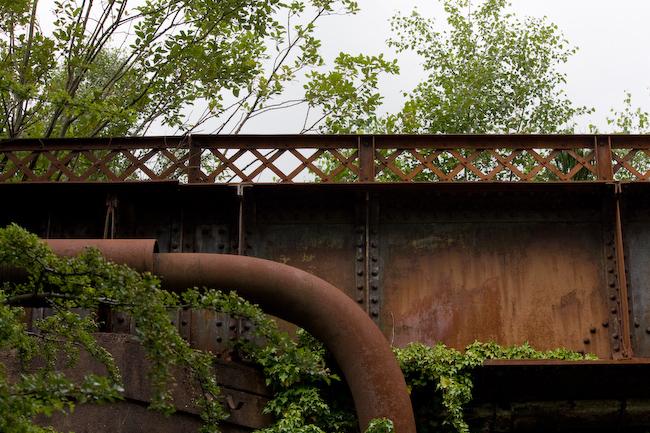
A disused railway line (aka, another tree bridge).
1/180 at f8, 55mm, ISO200
Safe harbour.
1/350 at f8, 250mm, ISO200
Boat taking advantage of said safe harbour.
1/250 at f8, 250mm, ISO200
After that we had a drink in the pub beside the station (the
Olympic Games opening ceremony was going on on the pub's TV, but
in common with everyone else we ignored it) and got the train back
into Charing Cross. The end...
...or not! Because after that first five days we had more holiday
in store,
albeit of a less crane-filled nature. I'll have pictures and text
about our stay on Iona soon, I hope. :)